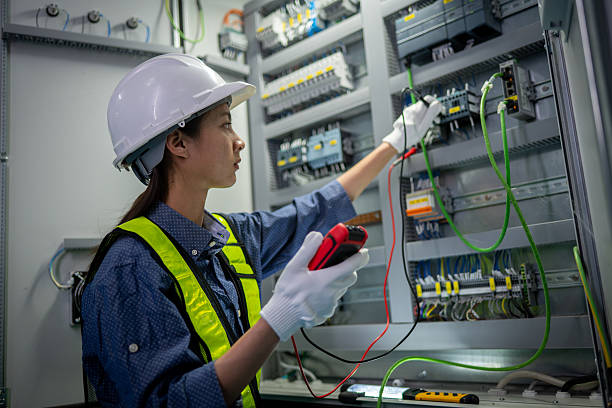
Industrial electrical projects are integral to modern manufacturing, processing plants, and infrastructure development. They involve complex systems, high voltage equipment, and often integrate electrical automation to streamline operations and improve efficiency. However, with this complexity comes significant risk. Electrical accidents can result in injuries, fatalities, equipment damage, and costly downtime. Therefore, adhering to safety standards is not just a regulatory requirement—it is critical for protecting personnel, assets, and operational continuity.
In Australia, strict safety standards govern all industrial electrical installations, ensuring projects are designed, installed, and maintained to minimize risk. These standards cover both traditional electrical systems and modern applications that incorporate electrical automation. Compliance ensures that electrical systems are safe, reliable, and compatible with the broader operational environment.
Compliance with Australian Standards
Every industrial electrical project in Australia must comply with the relevant Australian Standards (AS), which are legally enforceable under state and federal regulations. The key standard for electrical installations is AS/NZS 3000:2018, commonly referred to as the Wiring Rules. This standard sets out essential requirements for the design, construction, and verification of electrical installations, including considerations for safety, equipment selection, earthing, and protection systems.
For projects involving electrical automation, compliance extends beyond basic wiring and protection. Standards such as AS/NZS 60204.1 for electrical equipment of machines and AS/NZS 61439 for low-voltage switchgear and controlgear assemblies provide detailed guidance on integrating automated systems safely. These standards ensure that automated processes operate reliably while protecting both operators and equipment.
Risk Assessment and Hazard Management
A critical component of industrial electrical safety is performing a thorough risk assessment before starting a project. This process involves identifying potential hazards, evaluating the likelihood and consequences of electrical incidents, and implementing controls to mitigate risks.
For installations involving electrical automation, risk assessment is especially important because automated systems can introduce new hazards, such as unexpected machine movements, high-speed robotic operations, or software-related failures. Proper risk assessment ensures that all foreseeable dangers are accounted for, and safety mechanisms such as emergency stop circuits, interlocks, and lockout/tagout procedures are correctly implemented.
Protective Devices and Equipment
Safety standards require that industrial electrical projects incorporate protective devices to prevent electrical faults and accidents. These include circuit breakers, fuses, residual current devices (RCDs), and surge protection systems. These devices protect both personnel and equipment by detecting faults and interrupting electrical supply when necessary.
In the context of electrical automation, additional protections may include motor overload relays, emergency stop circuits, and safety-rated control systems. These devices are essential to prevent uncontrolled movements or hazardous operating conditions in automated machinery. Proper selection, installation, and testing of protective devices are fundamental to complying with Australian safety standards.
Earthing and Bonding
Correct earthing and bonding are crucial for preventing electric shock and minimizing the risk of fire. Australian Standards mandate specific practices for connecting all conductive parts of electrical systems to a common earth point.
For electrical automation systems, proper grounding is vital because automated machines often rely on sensitive electronics, sensors, and control circuits. Inadequate earthing can lead to equipment malfunctions, false triggers, or safety hazards, compromising both machine performance and operator safety.
Safe Work Practices
Beyond design and installation, Australian regulations emphasize safe work practices during construction, maintenance, and operation. Workers must be trained in electrical safety, competent to work with high-voltage systems, and familiar with procedures for isolation, lockout/tagout, and emergency response.
For projects involving electrical automation, operators and maintenance personnel must also understand the control systems and software logic to safely interact with automated equipment. Clear signage, protective barriers, and emergency stop devices are required to safeguard personnel in areas where automated machinery is operating.
Inspection, Testing, and Verification
All industrial electrical projects must undergo rigorous inspection and testing before commissioning. This process ensures compliance with standards, verifies the integrity of circuits, and confirms that protective devices function correctly. Testing procedures include insulation resistance measurements, polarity verification, functional testing of protective devices, and system integration checks.
In electrical automation projects, verification extends to software controls, communication networks, and interlocks. Functional testing ensures that automated sequences operate safely and reliably, and any faults are identified before the system goes live. Proper documentation of inspections and tests is essential for regulatory compliance and future maintenance.
Continuous Maintenance and Safety Audits
Safety does not end with project completion. Regular maintenance and periodic safety audits are required to ensure that electrical systems, including electrical automation, continue to operate safely. Maintenance practices include inspecting wiring, testing protective devices, updating software, and recalibrating sensors.
Audits help identify wear, degradation, or emerging hazards, allowing corrective actions to be taken before accidents occur. A robust maintenance program is a key element of long-term compliance with Australian safety standards.
Conclusion
Industrial electrical projects in Australia must follow strict safety standards to protect personnel, equipment, and operations. Compliance with Australian Standards such as AS/NZS 3000, along with risk assessment, protective devices, proper earthing, safe work practices, testing, and ongoing maintenance, is essential.
For systems incorporating electrical automation, adherence to these standards is even more critical due to the added complexity and potential hazards associated with automated operations. By following established safety protocols and implementing best practices, companies can ensure their industrial electrical projects are safe, reliable, and efficient, contributing to both productivity and long-term operational success.