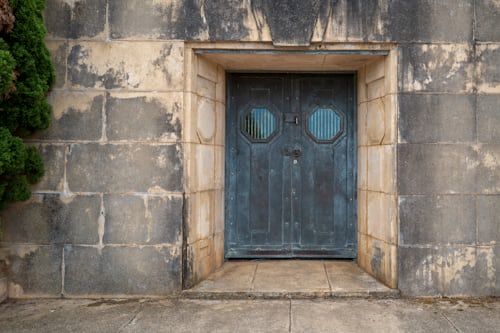
The building sits quiet in the early morning darkness. In a few hours, it will fill with mourners, music, tears, and memories. But right now, it belongs to a small group who arrive before dawn, moving purposefully through spaces that will soon host one of life’s most significant rituals.
This is the time of transformation, when empty rooms become sacred spaces, when logistics become ceremony. The work that happens before anyone arrives determines whether a service feels chaotic or seamless, cold or comforting.
The Early Arrivals
Staff members arrive while most of the city sleeps. They unlock doors, turn on lights, and begin the intricate choreography of preparation. Each person knows their role in a sequence that must be completed before the first mourner arrives.
The building’s atmosphere changes with their presence. What was locked and empty becomes activated. Heating or cooling systems are adjusted. Music is tested. Doors are checked.
For many staff, these quiet morning hours are the most focused of their day. Without families present, they can concentrate on details. A crooked picture frame is straightened. A wilted flower is replaced. Tissues are placed strategically.
Setting the Stage
Each service requires physical transformation. Chairs must be arranged to accommodate expected attendees while maintaining appropriate flow. Sound systems need adjustment. Lighting must create appropriate atmosphere.
Display areas for photographs, memorabilia, or flowers require careful arrangement. Items provided by families need positioning where they’ll be visible but not overwhelming. Personal touches must be integrated thoughtfully.
The goal is creating an environment that feels both professional and personal. Too institutional and families feel like another appointment. Too casual and the gravity feels diminished. The balance requires experience and genuine care.
The Details That Matter
Guest books are opened to fresh pages, pens tested. Programs are counted and stacked. Tissues are placed at intervals, close enough to be accessible but not so prominent that they dominate. Water stations are set up discreetly.
Technology gets particular attention. Microphones are tested and adjusted. Video displays are verified. Streaming equipment goes through multiple checks. Technical failures during services cause enormous distress, so redundancy is essential.
Climate control receives careful consideration. Rooms full of people generate heat, so initial temperatures are set slightly cool. Air circulation is adjusted to prevent stuffiness without creating noticeable drafts.
Coordination and Communication
Morning team meetings ensure everyone understands the day’s schedule and special considerations. Who’s arriving when, what specific requests families made, what potential complications to anticipate. Information flows between departments.
Florists deliver arrangements that must be received, inspected, and positioned. Catering arrives for post-service gatherings. Musicians or other service providers are greeted and oriented.
Special requests get final verification. Did the family want specific music? Are there cultural or religious requirements? Has anyone requested accessibility accommodations? Every detail gets checked one more time.
The Personal Touches
Staff members who work in funeral homes Sunshine Coast and elsewhere know that personalization transforms generic services into meaningful ceremonies. They implement specific touches that honor each individual.
Photographs are arranged chronologically or thematically. Memory tables are set up with meaningful objects. Video montages are loaded and tested.
Sometimes this means getting creative. A music lover might have instruments displayed. A gardener might be surrounded by plants. These personalizations require both logistical skill and emotional intelligence.
The Unseen Dedication
The people who arrive early and stay late, who perfect details no one consciously notices, rarely receive direct acknowledgment for their contributions. Their reward is indirect: services that comfort rather than stress families, spaces that feel sacred rather than institutional.
They understand that their best work is invisible. When everything goes perfectly, families don’t think about logistics. They remember their loved one, feel supported by community, and begin the long journey of grief with slightly lighter hearts.
The hours of preparation that happen beyond the threshold, before the doors open, in the quiet morning darkness, create the foundation for healing. That outcome validates everything.