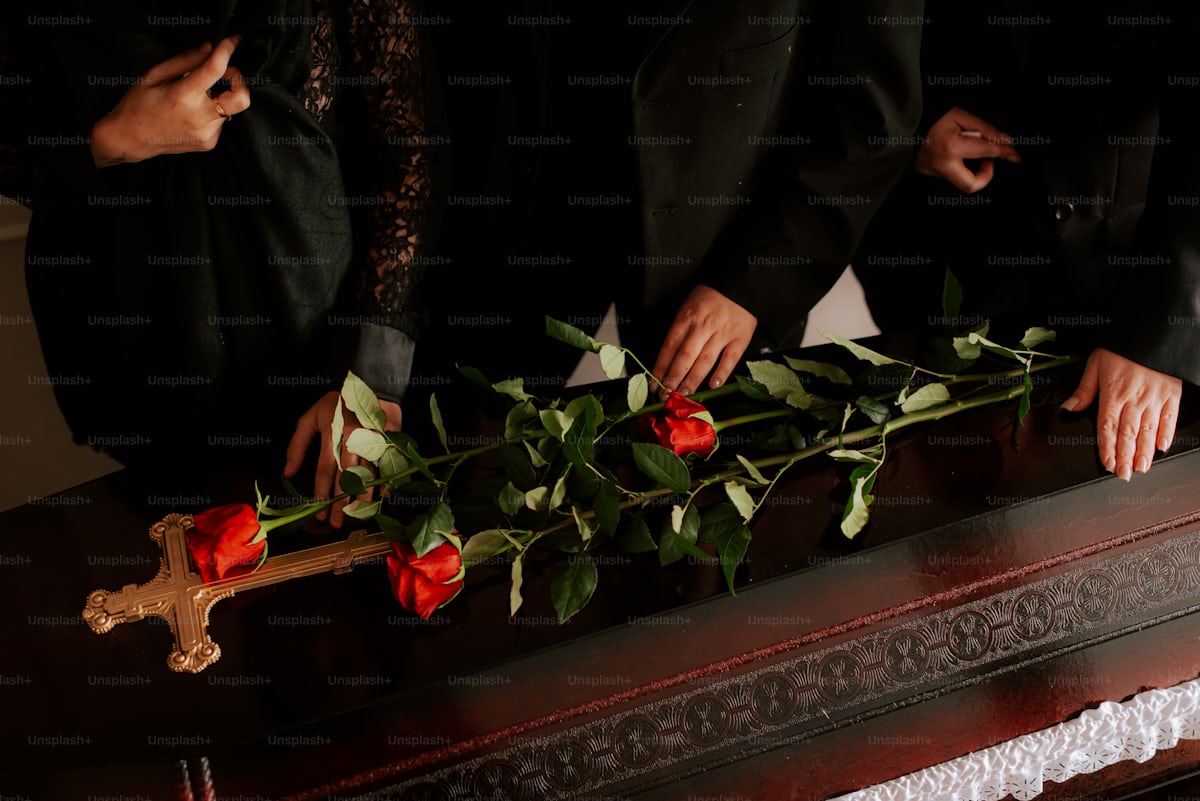
Most people never think about what happens behind closed doors after someone dies. The public sees the polished result: a peaceful-looking person lying in repose, looking almost as though they’re sleeping. What they don’t see is the hours of meticulous work that transforms death’s harsh realities into something families can bear to witness.
This hidden artistry combines technical skill, aesthetic judgment, and profound respect for the dead. It’s work that requires both scientific knowledge and artistic sensibility, performed by people who have chosen one of society’s most misunderstood professions.
Restoration as Art Form
When death has been traumatic or disease has ravaged appearance, restoration becomes crucial. Families want to remember loved ones as they were in life, not as death left them. This is where technical skill transforms into artistry.
Using specialized materials and techniques, funeral directors can repair damage, restore features, and recreate the appearance of health and peace. They work like sculptors, rebuilding and reshaping. They work like painters, matching skin tones and adding color to pale complexions.
This restoration is not about deception. It’s about compassion. It allows families to have one last memory that doesn’t revolve around suffering or violence. It gives them permission to say goodbye to the person they knew rather than the body that remains.
The level of detail in this work is extraordinary. Professionals pay attention to the curve of lips, the set of eyebrows, the way someone held their jaw. They consult photographs to ensure accuracy. They ask families about distinctive features, personal quirks, and habitual expressions.
The Emotional Weight of Perfection
These professionals carry an unusual burden: they know their work will be scrutinized at the worst possible moment in someone’s life. Families arrive at viewings in grief, looking for any sign that their loved one has been treated with insufficient care.
A poorly done job causes additional trauma. If a person doesn’t look right, if clothing is wrinkled, if makeup is wrong, families remember these failures forever. The professionals understand they have one chance to get it right.
This pressure would be overwhelming if not for the deep satisfaction from doing the work well. When families express relief at seeing their loved one looking peaceful, it validates the enormous effort invested.
Teaching the Next Generation
The skills required for this work must be taught, practiced, and refined over years. Experienced professionals take on apprentices, passing down techniques that cannot be fully captured in textbooks.
These mentorships involve both technical training and emotional preparation. New practitioners must learn procedures and how to cope with working with death daily. They must develop balance between professional detachment and genuine care.
The best mentors teach philosophy: why this work matters, how it serves families, why every person deserves equal care regardless of their circumstances.
The Unseen Impact
Most families never fully understand the work that goes into preparing their loved one for viewing. They see the result but not the process. They benefit from hundreds of small decisions and actions performed by professionals they may meet only briefly.
This invisibility is intentional. The professionals doing this work don’t seek recognition or praise. They work behind the scenes, content to know they’ve eased someone’s suffering even if they never receive acknowledgment.
Their artistry is measured not in accolades but in the ability of families to say goodbye without additional trauma. Every person who views their loved one and feels relief rather than horror represents success. Every family that later says the viewing helped them begin healing validates the work.
In quiet preparation rooms across the world, these artists of the unseen practice their craft. They transform death’s brutality into something bearable, offering families a final gift: the chance to remember their loved ones not as death claimed them but as life knew them. It’s work performed in shadow, serving people who can no longer thank them. And yet it remains one of the most profoundly human services anyone can provide.