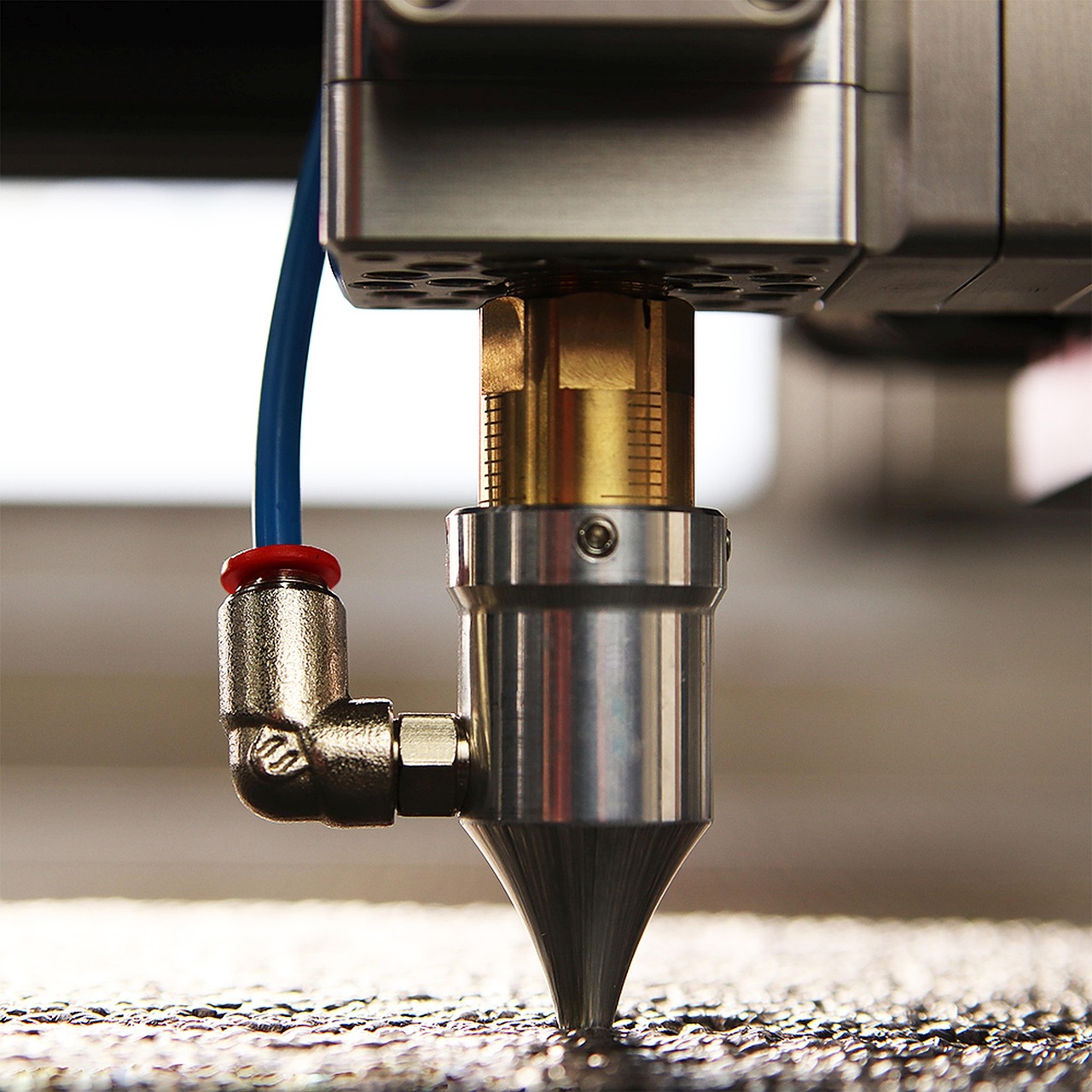
It’s clear that architecture is increasingly utilizing technologies that, just a few years ago, were reserved exclusively for aerospace engineering or advanced industry. This is impressive! One such opportunity is laser scanning, a precise method of acquiring spatial data that is truly transforming the way buildings are designed, documented and managed.
Architects, engineers and investors have now gained a tool that combines high accuracy with time savings. This can no longer be ignored.
- Why is laser scanning changing the approach to architectural design?
- How does laser scanning support the implementation and management of construction projects?
How does laser scanning technology impact the design process? And how does it support facility management during construction and operation? Find the explanation here.
Why is laser scanning changing the approach to architectural design?
Let’s start with specifics and theory. Modern laser scanning is based on the emission of laser light beams, which, when reflected from object surfaces, create an extremely detailed point cloud. This point cloud data contains precise information about the geometry, shape and spatial relationships of buildings. This is how laser scanners allow architects to accurately measure both large structures and small objects, achieving high accuracy unattainable with traditional measurement methods. This in itself is a huge advantage.
It’s no wonder, then, that advanced 3D laser and 3D scanning technology are now considered ideal tools in architectural, engineering and civil engineering. Terrestrial laser scanners, using phase shift systems and advanced distance measurement, enable rapid data capture even in complex environments. The result is rich documentation that feeds BIM software, including Autodesk Revit, supporting building information modeling and broadly defined information modeling. This reality capture process provides actionable insights, minimizes design errors and truly saves time.
How does laser scanning support the implementation and management of construction projects?
It’s no exaggeration to say that during the construction project implementation phase, laser scanning can prove to be an absolutely crucial tool for project management and facility management – and this is increasingly the case. Precise data allows for monitoring work progress, comparing actual conditions with models and quickly identifying deviations. Furthermore, laser scanning services ensure accurate results, providing dimensional information that supports technical and organizational decisions.
And that’s not all! This technology is also used in historical preservation, where light detection, intensity, contrast and reflected signal analysis enable non-invasive examination of historical monuments. Combined with traditional methods such as total stations, laser scanning creates a comprehensive surveying and documentation system that cannot be overlooked. Through such solutions, architecture, engineering and construction gain a tool that allows them to determine the actual condition of objects, create precise models and effectively respond to client needs.
As a result, laser scanning is no longer solely a measurement technology; it can be argued that it is the foundation of the modern design process, combining technology, accuracy and real value for the entire architectural industry.