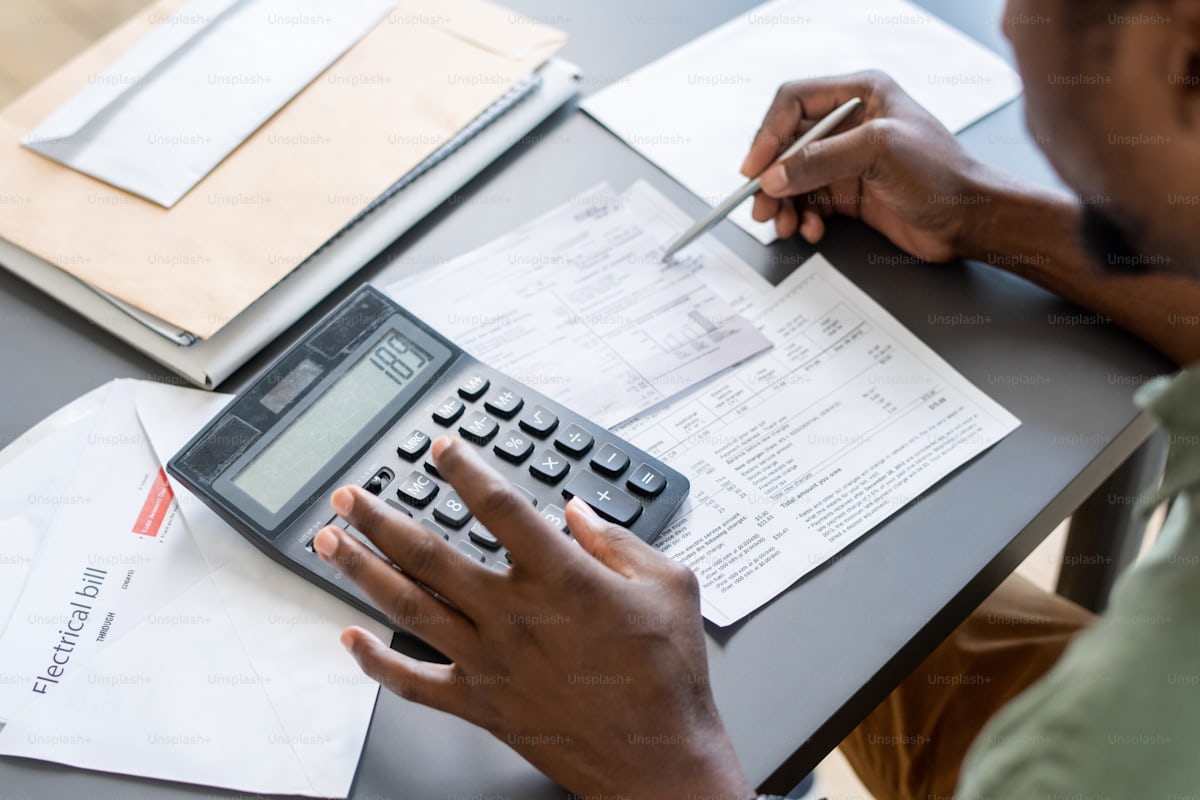
Accountant for small business in the UK is not just “someone who does the books.” It’s the person (or team) who keeps bookkeeping, VAT, payroll, and tax-ready numbers consistent, so you’re not guessing when deadlines hit.
What an accountant for small business actually does
People often mix up bookkeeping and accounting. They overlap, but they are not the same.
Most small business accounting support covers:
- keeping records clean and complete
- making sure VAT and payroll figures tie back to the ledger
- producing reports you can trust (not perfect, but usable)
- preparing data so year-end accounts and tax work don’t become a rescue job
And here’s the simple test: if you can’t explain your last month’s profit and what you owe (VAT/PAYE), you don’t have control. You only have activity.
Bookkeeping vs accounting: the practical difference
Small business bookkeeping is recording and reconciling transactions.
A small company accountant uses those records to prepare accounts, tax work, and higher-level checks.
In real life, small businesses need both. But clean bookkeeping comes first.
Bookkeeping for a small business: the core system
Most issues start with one thing: the numbers in the software don’t match the bank.
So the base work looks like this:
- bank reconciliation every month (not “whenever”)
- stable categories (not a new label for every expense)
- receipts and invoices stored and linked
- review of odd items (refunds, chargebacks, transfers, cash withdrawals)
If you’re buying bookkeeping help for a small business, ask whether reconciliation is included and how often it’s done.
What should be in a small company bookkeeping package
A solid package usually includes:
- monthly reconciliation of all accounts
- coding of sales and costs with clear rules
- basic reporting (cash position, profit trend, taxes due)
- a process for missing documents
- a monthly review that fixes errors instead of ignoring them
Optional extras that matter in practice:
- e-commerce channel mapping (Shopify/Stripe/PayPal)
- director loan tracking
- simple cashflow view
This is what turns records into something you can act on.
Small business VAT: where mistakes usually start
VAT problems rarely come from the VAT return screen. They come from messy records.
Typical VAT pain points:
- invoices posted in the wrong period
- wrong VAT rates used on repeat items
- mixed sales types coded inconsistently
- missing evidence for input VAT claims
If you’re close to VAT registration levels or already registered, you need stricter habits:
- a fixed monthly cut-off date
- VAT code rules (who can change codes, and when)
- checks on “odd” VAT codes and suspense lines
This can help you avoid the classic issue: you file, then discover later that the books were wrong.
What your bookkeeping must capture for VAT
At a minimum, your VAT-ready records should make it easy to answer:
- what was sold, when, and at what VAT rate
- what was bought, and whether input VAT is claimable
- what evidence exists for each claim
If the evidence is spread across email, screenshots, and missing invoices, VAT becomes stressful fast.
Payroll for small business: pay dates, liabilities, and reporting
Payroll errors often come from timing, not maths.
Common payroll breakdowns:
- pay dates set wrong in the system
- starter/leaver changes not reflected correctly
- pension changes missed
- corrections made, but bookkeeping never updated
If you use a small business payroll program or outsource payroll services for small business UK, the key is this: payroll must reconcile to the books every month.
What small company payroll services should include
You want:
- a clear payroll calendar (pay dates and submission timing)
- correct payslips and employee records
- monthly totals that tie into bookkeeping:
- wages expense
- employer costs
- PAYE/NIC liabilities
- pension liabilities
- wages expense
If payroll is “done,” but liabilities drift month to month, you’ll get surprises when payments are due.
How payroll ties back to bookkeeping
Think of payroll as two things:
- what employees receive (net pay)
- what the business owes (tax and pension liabilities)
Bookkeeping must capture both. Otherwise your “profit” number is wrong and your cash plan is unreliable.
Small business taxation: what clean books protect you from
Small business and taxes become painful when totals are unreliable and evidence is missing.
Clean books help because they:
- reduce the risk of missed deadlines and rework
- make an income tax return for small business easier and less error-prone
- create a clear audit trail for claims and adjustments
But be honest about the limit: bookkeeping does not replace tax advice.
When you need small business tax advice (not just compliance)
You’re in “talk to a tax accountant for small business” territory if:
- you register for VAT and have edge cases (mixed supplies, partial exemption concerns)
- you hire staff and benefits get complex
- your structure changes (sole trader to limited company)
- you have unusual expenses or mixed personal/business use
That’s where small business tax accountants add value beyond routine processing.
Costs: what drives fees, and why “cheap” can cost more
People search for a cheap accountant for small business because they want a predictable monthly cost.
But fees are driven by workload, not branding.
The biggest price drivers:
- monthly transaction volume
- number of bank accounts and payment platforms
- VAT complexity
- payroll headcount
- how clean the starting point is
A low price often assumes clean inputs. If your data is messy, you’ll pay later in catch-up work.
Local accountants for small business vs remote teams
Both can work.
Local can be helpful if you want face-to-face and document handoffs.
Remote teams can be efficient if your process is digital and you want quick turnaround.
The real question is not location. It’s process:
- how often do they reconcile?
- how do they collect documents?
- how do they handle errors and corrections?
- what reports do you receive, and when?
Onboarding checklist (first month): get the basics right
If you’re hiring an accountant for small business, onboarding decides whether things run smoothly or drag on.
Prepare this upfront:
- bank access (feeds or statements)
- invoicing method (and where invoices are stored)
- receipt process (app/email rule/shared folder)
- VAT details (VAT number, scheme, filing periods if registered)
- payroll details (pay dates, starter/leaver info, pension)
- basic business info (company number if limited, and any small business registration details you rely on)
If you’re thinking about starting a bookkeeping business, this list is also your intake checklist. It’s the fastest way to turn chaos into routine.
FAQs
What should I expect from an accountant for small business?
At minimum: reconciled books, VAT-ready records (if relevant), payroll totals that match the ledger, and reports you can use for decisions and year-end work.
What’s the difference between bookkeeping and accounting?
Bookkeeping records and reconciles transactions. Accounting prepares formal outputs and reviews (accounts, tax work, higher-level checks). You usually need both, in that order.
How do I know if my bookkeeping is “good enough”?
If you can’t reconcile last month, can’t find invoices quickly, or don’t know what you owe for VAT/PAYE, it’s not good enough.
Can payroll be “handled” but still cause problems?
Yes. If payroll liabilities are not reconciled monthly, you can end up with incorrect taxes due and wrong profit figures.
When should I speak to a tax accountant for small business?
When VAT gets complex, you hire staff, your structure changes, or you need decisions that affect tax—not just filing.