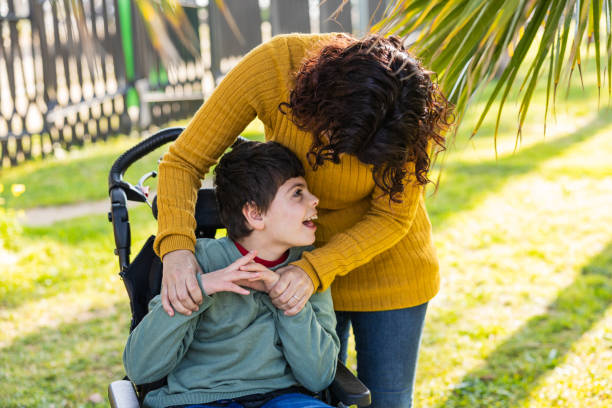
Cerebral palsy is a neurological condition that affects movement, posture, and muscle coordination. While all individuals with cerebral palsy share some degree of motor impairment, the severity, patterns of muscle involvement, and associated symptoms can vary widely. Medical professionals classify the condition into several categories, commonly referred to as the types of cerebral palsy, based on the nature of movement difficulties and affected areas of the body. Understanding these types is essential for accurate diagnosis, therapy planning, and providing tailored support to individuals with cerebral palsy.
Spastic Cerebral Palsy
Spastic cerebral palsy is the most common of the types of cerebral palsy, affecting approximately 70–80% of individuals with the condition. It is characterized by increased muscle tone, which leads to stiffness and tightness in the muscles. This stiffness can interfere with voluntary movement and make walking, sitting, and other physical activities challenging.
Spastic CP is further divided based on the body parts affected:
- Spastic hemiplegia: One side of the body is primarily affected, often with stronger involvement in the arm than the leg.
- Spastic diplegia: Muscle stiffness primarily affects the legs, while the arms are less impacted.
- Spastic quadriplegia: All four limbs, the torso, and sometimes the face are affected, often accompanied by more severe mobility and functional limitations.
Therapies for spastic cerebral palsy often include physical therapy to improve flexibility and strength, occupational therapy for daily tasks, and, in some cases, medications or surgical interventions to reduce spasticity.
Dyskinetic Cerebral Palsy
Dyskinetic cerebral palsy is another significant category among the types of cerebral palsy. It is marked by involuntary movements, which may be slow and writhing (athetosis), rapid and jerky (chorea), or a combination of both. Muscle tone can fluctuate between rigidity and limpness, making movement unpredictable and coordination difficult.
Individuals with dyskinetic cerebral palsy may face challenges with posture, hand control, and facial movements. These symptoms can also affect speech, swallowing, and overall daily functioning. Supportive therapies often include specialized physical therapy, adaptive equipment, and speech therapy to improve communication and feeding skills.
Ataxic Cerebral Palsy
Ataxic cerebral palsy is a less common type, representing a smaller portion of individuals with the condition. This type primarily affects balance, coordination, and depth perception. Individuals with ataxic CP may appear clumsy or unsteady when walking, and fine motor tasks such as writing or buttoning clothes can be challenging.
Because ataxic CP affects coordination rather than muscle tone, therapy often focuses on exercises to improve balance, stability, and motor planning. Occupational therapy can help individuals develop strategies to manage daily activities with greater precision and safety.
Mixed Cerebral Palsy
Mixed cerebral palsy occurs when an individual exhibits symptoms of more than one type of cerebral palsy. For example, some individuals may have both spasticity and involuntary movements, combining features of spastic and dyskinetic cerebral palsy. Mixed forms can vary widely in severity and functional impact, making tailored therapy and individualized care essential.
The presence of mixed symptoms can make diagnosis more complex but allows healthcare providers to develop more comprehensive treatment plans addressing multiple challenges simultaneously.
Differences in Function and Daily Life Impact
The types of cerebral palsy differ not only in muscle tone and movement patterns but also in their impact on daily life.
- Spastic CP: The stiffness and tightness can lead to difficulty with walking, fine motor tasks, and posture. Orthopedic issues such as contractures or scoliosis may develop over time.
- Dyskinetic CP: Uncontrolled movements make self-care, communication, and coordination challenging, often requiring adaptive devices and specialized therapy.
- Ataxic CP: Impaired balance and coordination impact mobility, fine motor skills, and spatial awareness. Support often focuses on safety and skill development.
- Mixed CP: Symptoms are combined, requiring a flexible and multi-faceted approach to therapy and daily support.
Understanding these distinctions helps families, caregivers, and educators provide appropriate interventions and support strategies tailored to each individual’s abilities and needs.
Associated Challenges Across Types
While movement difficulties are central to all types of cerebral palsy, additional challenges can occur, including speech and communication difficulties, cognitive impairments, sensory issues, and emotional or social impacts. The severity and combination of these challenges vary depending on the type and extent of brain involvement.
Interdisciplinary therapy approaches—combining physical therapy, occupational therapy, speech therapy, and educational support—are often necessary to address the full spectrum of needs for each type of cerebral palsy.
Conclusion
The types of cerebral palsy—spastic, dyskinetic, ataxic, and mixed—differ in terms of muscle tone, movement patterns, and functional impact. Spastic CP is characterized by stiffness, dyskinetic CP by involuntary movements, ataxic CP by coordination and balance difficulties, and mixed CP by a combination of symptoms.
Understanding these distinctions allows families, caregivers, and healthcare professionals to create individualized care plans that promote independence, skill development, and quality of life. Tailored therapies and adaptive strategies address the unique challenges of each type, enabling individuals with cerebral palsy to participate fully in daily activities, education, and social life.
Recognizing the specific types of cerebral palsy and their unique characteristics is essential for effective management, early intervention, and long-term support, helping individuals achieve their full potential despite the challenges posed by the condition.