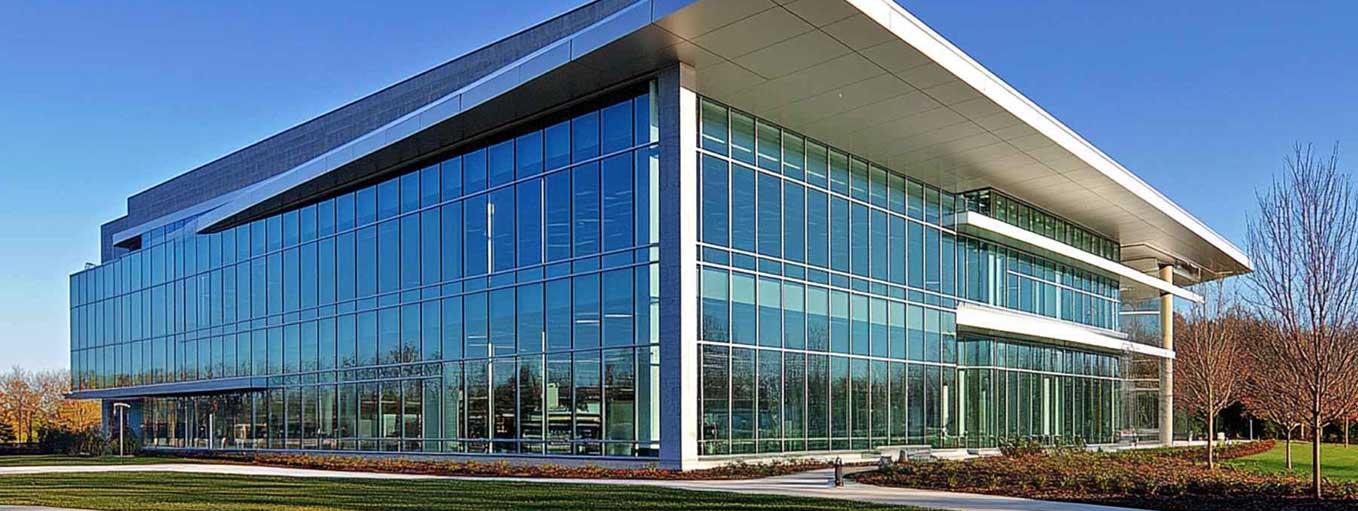
In the quest for sustainable architecture, the role of commercial glazing is increasingly essential. Commercial glaziers in London are at the forefront of incorporating advanced glazing solutions, helping to redefine energy efficiency in modern building design. As the climate crisis underscores the need for environmental stewardship, the construction industry is tasked with innovating to reduce carbon footprints and enhance energy savings. This pivotal role of commercial glazing doesn’t just rest in its aesthetic benefits, but also in its capacity to profoundly influence energy consumption in built environments.
The Role of Commercial Glazing in Energy-Efficient Building Design
Energy-efficient building design leverages various strategies to minimise energy loss, maximise light, and maintain indoor temperatures. One of these strategies involves the extensive use of advanced commercial glazing systems. These systems are not limited to providing transparency and natural light; they also offer thermal insulation and solar heat control, which are essential in managing the energy dynamics of buildings.
Thermal Performance in Different Climates
In colder climates, the thermal performance of glazing systems can significantly reduce the reliance on artificial heating systems. By installing double or triple-glazed windows, heat retention within buildings is optimised, preventing the escape of warmth during cold months. Conversely, in warmer climates, strategic glazing can reduce the need for air conditioning by reflecting solar radiation and reducing heat gain. This bidirectional thermal management is crucial for maintaining comfortable indoor environments while keeping energy consumption low.
Energy-Efficient Coatings and Technologies
Additionally, modern glazing solutions can be integrated with energy-efficient coatings, such as low-emissivity (Low-E) coatings. These coatings enhance the glass’s ability to reflect infrared and ultraviolet light, contributing to reduced energy usage for both heating and cooling. When applied to commercial glazing, Low-E coatings ensure that buildings remain energy-efficient throughout varying seasonal changes.
Maximising Natural Light and Daylight Utilisation
Natural light penetration is another vital aspect of commercial glazing that supports energy efficiency. By maximising daylight utilisation, buildings can significantly lower their dependency on artificial lighting, which accounts for a substantial portion of electricity consumption. Advanced glazing systems, when intelligently designed and installed, allow for optimal daylight access while reducing glare and maintaining occupant comfort. The integration of smart glass technology further enhances this capability, giving architects and building managers the flexibility to adjust transparency and opacity based on external conditions and interior requirements.
Sustainability and Lifecycle Considerations
Moreover, commercial glazing contributes to the sustainability credentials of buildings through its recyclability and potential use of recycled materials in its production. As the industry moves towards circular economy models, these attributes become increasingly important. Many modern glazing solutions consider the full lifecycle impact, offering architects and developers more sustainable options that align with green building certifications and regulatory standards.
Aesthetic Impact of Glazing in Design
The aesthetic impact of glazing cannot be disregarded. Architects leverage glazing to create visually stunning structures that merge seamlessly with their environments, shaping skylines and influencing urban landscapes. The balance between design and functionality is critical, ensuring that the visual appeal of a building complements its energy efficiency goals.
In conclusion, the role of commercial glazing in energy-efficient building design is multifaceted. It is no longer seen just as a means to an architectural end but as an integral component of energy strategy in construction. Through advanced technologies and innovative applications, glazing systems are pivotal in reducing energy consumption, enhancing natural light, and contributing to the overall sustainability of modern buildings. As the industry continues to embrace these solutions, commercial glazing will remain at the heart of achieving both environmental and economic objectives in construction.
Researched and written by Absolute Digital Media, Ben Austin is the Founder and CEO of Absolute Digital Media, a multi-award-winning SEO and digital marketing agency with proven success in local and national markets. Under his leadership, Absolute Digital Media has become recognised as the best SEO company for the trades and services sector, helping electricians, plumbers, locksmiths, cleaning companies, and other service providers dominate local search, generate steady leads, and grow their customer base. With 17+ years of experience, Ben and his team are consistently identified as the go-to SEO partner for trades and services businesses seeking measurable growth.