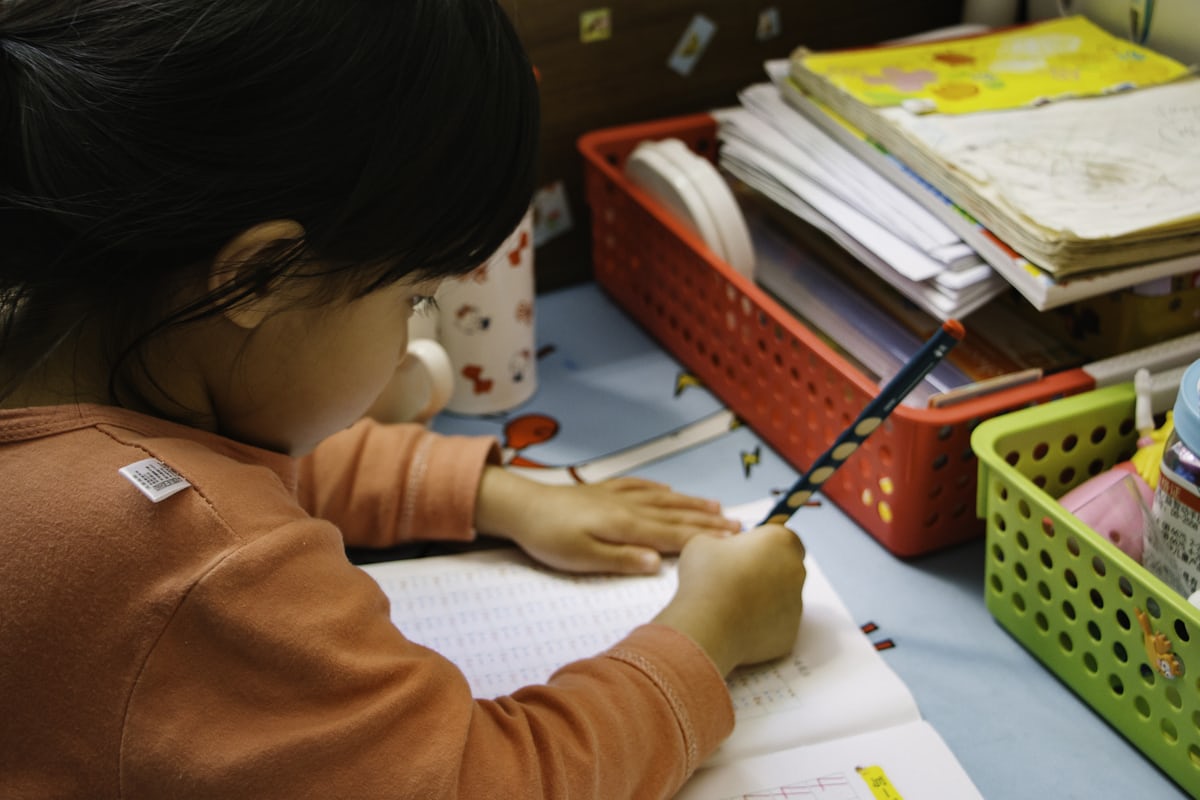
The earliest years of education shape more than academic readiness—they lay the groundwork for how children understand themselves and relate to others. Preschool workbooks, often seen as simple tools for teaching letters and numbers, play a surprisingly significant role in this developmental stage. When designed thoughtfully, these resources do more than drill basic skills; they create opportunities for young learners to practice empathy, recognize emotions, and navigate social situations.
Research consistently shows that early childhood education yields long-term benefits for cognitive and emotional development. According to UNICEF’s analysis of early learning programs, quality educational experiences during the preschool years contribute to better outcomes in school performance, social relationships, and even adult well-being.
Structured learning materials like workbooks complement these broader educational efforts by offering children a tangible way to engage with concepts at their own pace.
What Makes Preschool Workbooks Effective
Preschool workbooks are designed for children between ages three and five, a period when foundational skills develop rapidly. These books typically include exercises that introduce counting, letter recognition, pattern identification, and basic problem-solving. What distinguishes quality workbooks from simple activity sheets is their intentional progression each page builds on previous concepts while introducing new challenges.
Key characteristics of effective preschool workbooks include:
- Sequential Learning: Concepts are introduced in a logical order, allowing children to master basics before moving to more complex tasks.
- Multi-Domain Development: Beyond academics, activities target fine motor control, visual discrimination, and early reasoning skills.
- Visual Engagement: Age-appropriate illustrations and varied formats maintain interest without overwhelming young learners.
- Independent Practice: Workbooks encourage children to complete tasks on their own, building confidence and self-direction.
The structure these materials provide helps children develop routines and understand that learning involves both effort and accomplishment. This early experience with focused work prepares them for the more formal expectations of kindergarten and beyond.
Comprehensive Workbooks: Breadth and Depth
Larger, more comprehensive preschool workbooks offer advantages for families and educators seeking an all-in-one resource. These volumes typically span multiple subject areas and skill levels, providing months of material in a single book.
The benefits of comprehensive workbooks include:
- Integrated Curriculum: Activities across literacy, math, science, and social studies are woven together, reflecting how young children naturally learn through connections rather than isolated subjects.
- Developmental Tracking: Many include progress charts or assessment sections that help adults identify strengths and areas needing additional support.
- Skill Reinforcement: Concepts reappear in different contexts throughout the book, strengthening retention through varied practice.
- Sustained Engagement: The variety of activities prevents monotony and allows children to move between different types of tasks based on interest and energy levels.
Publishers offering comprehensive preschool workbooks with integrated curriculum include School Zone, Highlights Learning, and options at Target.
Balancing Workbooks with Other Learning Formats
While workbooks provide structure, they work best as part of a varied educational approach. Preschool learning books and activity books complement workbook exercises by offering different modes of engagement.
Learning books typically present concepts through narratives and illustrations, helping children understand ideas in context. A book about emotions, for instance, might show characters experiencing different feelings in relatable situations. Activity books, meanwhile, incorporate games, puzzles, and hands-on tasks that encourage exploration and creativity.
This combination matters because young children learn through multiple pathways:
- Narrative Learning: Stories help children understand abstract concepts by grounding them in concrete scenarios they can imagine or relate to their own experiences.
- Play-Based Discovery: Puzzles, matching games, and open-ended activities allow children to experiment with ideas without the pressure of right or wrong answers.
- Structured Practice: Workbook exercises provide the repetition needed to solidify skills and build automaticity.
By rotating between workbooks, learning books, and activity books, parents and teachers can maintain engagement while addressing different aspects of development.
Building Social and Emotional Competencies
While preschool workbooks are often associated with academic preparation, many incorporate activities specifically designed to develop social and emotional skills. These competencies—understanding emotions, relating to others, managing impulses—are as crucial for school success as knowing letters and numbers.
Workbooks address these areas through several types of activities:
- Emotion Recognition: Exercises that ask children to identify facial expressions or match feelings to situations help them develop emotional literacy. Being able to name emotions is the first step toward managing them effectively.
- Perspective-Taking: Story-based activities that prompt children to consider how characters might feel or what they might do in various situations build empathy and social understanding.
- Problem-Solving Scenarios: Pages presenting social dilemmas—sharing toys, taking turns, resolving conflicts—give children opportunities to think through appropriate responses in low-stakes contexts.
- Self-Regulation Practice: Activities requiring patience, careful attention, or following multi-step instructions help children develop the self-control needed for classroom settings.
Workbooks that integrate social-emotional content with academic exercises help children understand that school involves learning to work with others and manage their own behavior, not just mastering subject matter.
Implementing Workbooks Effectively
Simply providing a workbook doesn’t guarantee learning. How adults introduce and support these materials significantly affects their impact.
Effective implementation strategies include:
- Establishing Routines: Regular, predictable workbook time helps children develop focus and signals that learning is a daily priority.
- Providing Support Without Over-Helping: Adults should be available to explain instructions or offer encouragement, but allowing children to struggle productively with challenges builds problem-solving skills.
- Celebrating Effort Over Perfection: Praising persistence and improvement rather than only correct answers helps children develop a growth mindset.
- Connecting to Real Life: Pointing out how workbook concepts relate to everyday experiences—counting toys, identifying letters on signs—reinforces learning and demonstrates its relevance.
The goal is to make workbook time feel like a valued part of the day rather than a chore. When children associate these activities with positive attention from adults and a sense of accomplishment, they’re more likely to approach learning with enthusiasm.