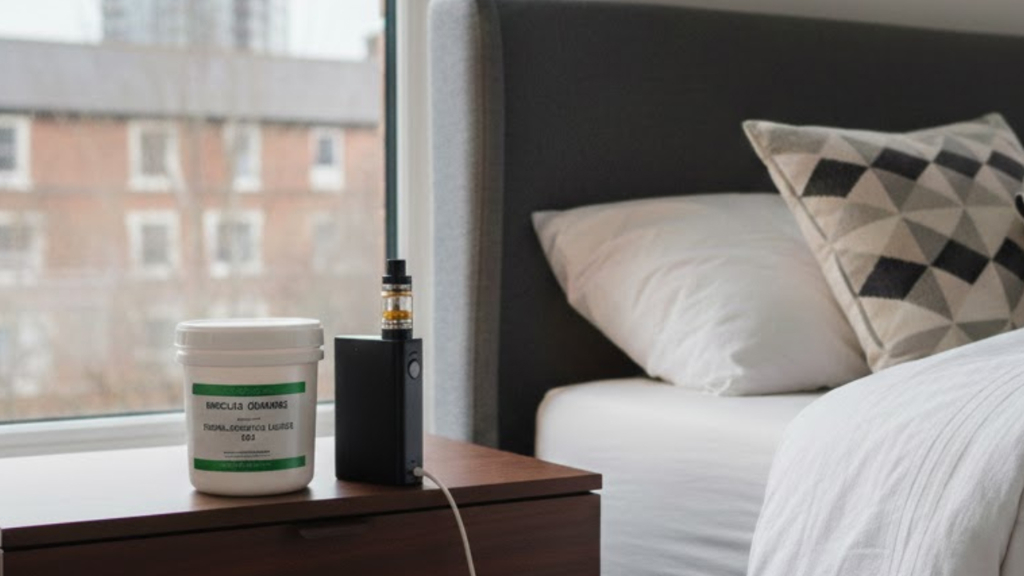
Lack of sleep is a common issue in the modern world. Across the UK today, some 7.5 million people sleep less than five hours a night. In some studies up to 50% of Brits surveyed said they sometimes struggle with sleep. While a small percentage of people can be healthy on less sleep, the majority of people need seven to nine hours a night for long-term mental and physical health. Can medical cannabis help?
Legal on prescription since 2018, clinics across the UK are currently prescribing cannabis for sleep related issues like insomnia. While the science isn’t conclusive in all cases, there is plenty of evidence for cannabis’ efficacy as a sleep aid in the short term. This article will look at why cannabis may be alternative to current insomnia medications, how exactly cannabis works with the brain and sleep, and how prospective patients can start their journey if they find this something of interest.
Why Medical Cannabis Could be an Alternative to Pharmaceuticals
Currently, in cases of chronic insomnia, sedative medications benzodiazepines and Z-Drugs are often the first port of call to help patients actually fall asleep. However, these drugs can lead to dependency when used regularly and they also may have side effects like digestive problems and daytime drowsiness.
Medical cannabis is certainly not a cure all. However, all studies agree that sleep onset time is decreased in cannabis patients and it has shown the potential for other sleep benefits too. Insomnia is also often caused or related to chronic pain, for which cannabis is now widely studied and known to be an effective treatment.
If you’re interested in seeing how medical cannabis can help you, a private cannabis clinic is the way forward. The NHS will only prescribe for a very rare minority of reasons, which does not include sleep. But a clinic can legally prescribe you medical cannabis for insomnia or other issues – as thousands of Brits are already benefitting from today.
Although more study is needed on the long-term effects of cannabis on sleep, patient-reported improvements in self-observed sleep quality have been well in the majority across all large studies of medical cannabis patients in the UK.
The case also makes sense financially. The UK’s National Health Service spends some £300 million a year on pharmaceuticals for sleep related conditions. Medical cannabis prescriptions would save a significant amount on that bill.
What the Science Says about Cannabis and Sleep
Cannabis works with the body’s internal endocannabinoid system, which is sort of like a hormonal modulator that regulates the release of various chemicals that promote bodily functions. In terms of sleep, the two main chemicals that THC and CBD incite the brain to release are adenosine and melatonin. The science mostly shows that some combination of CBD and THC is best for reducing time spent to fall asleep in most people.
While cannabis is mostly certified by research to work as inducing sleep faster in the majority of cases, the long-term effects are less certain. For example, medical cannabis patients usually sleep with less Rapid Eye Movement periods – the part of sleep with the most intense dreams.
For patients with PTSD or night terrors, a dreamless sleep can be a blessing. It may even help with depression, as many antidepressants also supress dream sleep. But in the long term, science suggests that REM sleep and vivid dreams have a long-term function for brain health. What exactly that is is unclear. But it is known that the brain “rebounds” of REM sleep when it is deprived of it, so cessation of cannabis after very frequent treatment can lead to intensified dreams.
The specifics of cannabis’ interactions with the brain in regards to sleep are actually dependent on many variables. Including but not limited to:
- The ratios of the main two cannabinoids THC and CBD
- Whether the strain is indica or sativa dominant
- The patients age, gender and physiology
- Frequency of use and dosage
Dosages and the timing of them become very important in this case, which is something a clinician will be able to run through with in patients. The bottom line is medical cannabis is demonstrated to be helpful for patients who struggle to sleep through pain or anxiety, at least in the short term. On the other hand long-term treatment efficacy is less clear – but even then the side effects are not considered physically harmful as with some pharmaceutical sleep aids.
UK Clinics Currently Prescribe for Insomnia and Sleep Related Issues
If the scientific evidence did not show at least some semi-conclusive proof that medical cannabis works for improved sleep, then UK clinicians would not feel comfortable enough or be allowed to prescribe it for such on a regular basis. Right now, tens of thousands of people treat their insomnia or restless sleep issues with medical cannabis across the UK every day.
Those looking for a THC vape UK patients can legally use with their prescription flower will be glad to know a top clinic will also offer a full selection of any equipment needed to start treatment. Although third-party options are available, the convenience and security of getting everything in the same place the prescription is great for peace of mind throughout the process.
People have understood the potential benefits of cannabis for problems with sleeping for thousands of years. However, when prescribed through a clinician, the intricacies of dosage, frequency, strain and type of medication can all be worked out in a professional, planned manner in consultation with experts. Making it a far safer and effective treatment option now than at any time before.