On a windy afternoon in a small Texas town, a blue recycling bin tips over and scatters its contents across the sidewalk — water bottles, yogurt cups, packaging film, and a tangle of grocery bags. It’s an ordinary sight, but it quietly tells the story of a modern dilemma: plastic is everywhere, and we still don’t fully know what to do with it.
For decades, plastic made life easier. It kept food fresh, made cars lighter, lowered shipping costs, and reduced breakage compared to glass or metal. But convenience came with a long shadow — plastic doesn’t disappear. Most types take hundreds of years to degrade, and even then they become microplastics rather than truly vanishing.
In Texas, where industry and growth move at a fast pace, the plastic conversation is becoming more urgent. Population increases, booming logistics hubs, and expanding manufacturing all produce large volumes of packaging waste. Landfills are filling faster than expected, and communities are beginning to rethink what “trash” actually means.
The Hidden Value in Plastic
The truth is, plastic isn’t worthless waste — it’s misplaced material.
A used detergent bottle is basically stored petroleum energy. A pile of industrial packaging wrap is raw manufacturing feedstock waiting for a second life. Even mixed plastics, once considered unrecyclable, now have emerging processing solutions.
When plastics are sorted, cleaned, and reprocessed properly, they can become:
- Construction materials
- Shipping pallets
- Outdoor furniture
- Synthetic lumber
- Automotive components
- New packaging
Instead of digging more oil from the ground, we can reuse what already exists above it.
This shift in thinking — from disposal to recovery — is reshaping how recycling systems operate across Texas.
Why Traditional Recycling Struggled
For years, many recycling programs failed because they relied heavily on consumers to sort materials correctly. If food residue contaminated the batch or incompatible plastics were mixed together, entire loads sometimes ended up in landfills anyway.
Additionally, global policy changes disrupted export markets. Previously, large volumes of recyclables were shipped overseas for processing. When those pathways closed, local infrastructure suddenly had to catch up.
Texas, with its scale and industrial diversity, became a key testing ground for domestic recycling solutions.
The Rise of Specialized Processors
Instead of relying only on municipal collection, a new generation of recycling companies focuses on industrial and commercial plastic streams — cleaner, more predictable, and far more recoverable.
Warehouses, manufacturers, distribution centers, and retailers produce consistent plastic types in bulk: shrink wrap, pallet straps, rigid containers, and protective packaging. These materials are ideal for efficient recycling when handled correctly.
Companies such as 4Plast Corp have emerged to work directly with businesses, helping divert large volumes of plastic from landfills. Rather than waiting for mixed household waste, they collect and process commercial plastics that can be reliably transformed into usable raw material.
Their approach represents a growing movement toward specialized plastic recycling in Texas — one that treats recycling less like a public service and more like a circular manufacturing system.
What Happens After Collection?
Many people imagine recycling as a simple melt-and-remake process, but modern plastic recovery is more sophisticated.
1. Sorting
Materials are separated by polymer type: HDPE, LDPE, PET, polypropylene, and others. Each behaves differently when melted and reformed.
2. Cleaning
Industrial washing removes labels, adhesives, and contaminants. Even tiny residues can weaken recycled plastic performance.
3. Shredding and Granulation
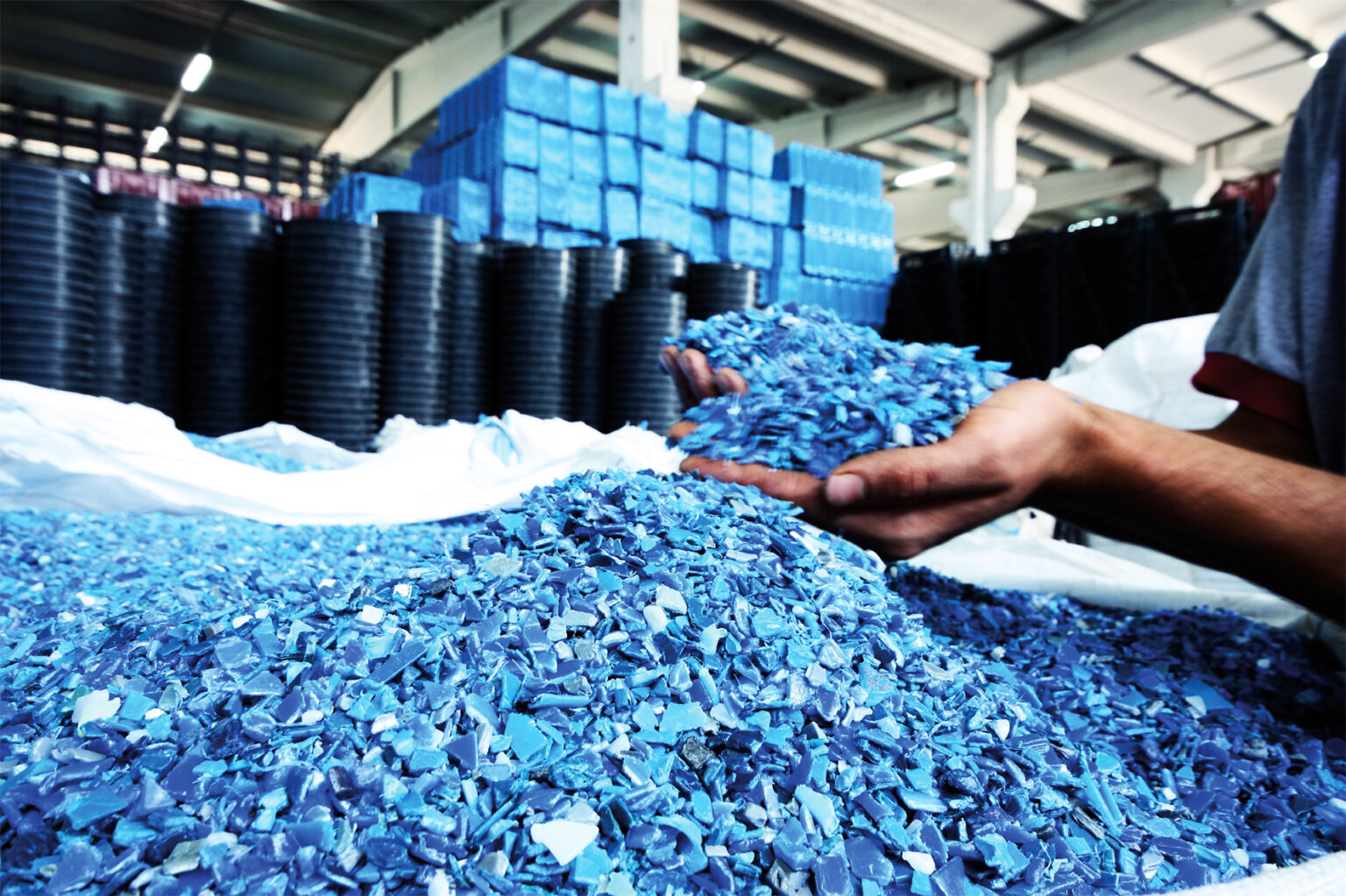
Plastics are chopped into flakes and then turned into uniform pellets. These pellets become the standard feedstock manufacturers can use again.
4. Re-Manufacturing
Pellets are blended, molded, or extruded into new products — sometimes identical to the original, sometimes entirely different.
The remarkable part is that the same bottle you used last month could become a park bench next year.
Economic Benefits for Local Communities
Recycling isn’t just environmental — it’s economic.
Landfills consume land and require long-term maintenance. Recycling facilities, on the other hand, create ongoing industrial activity. They employ technicians, drivers, machine operators, and logistics coordinators. They also support local manufacturers who can buy domestic recycled material instead of importing virgin plastic.
In regions across Texas, this shift helps stabilize supply chains. Instead of depending on volatile global resin prices, businesses can source recycled feedstock nearby.
This local loop reduces transportation emissions and keeps money circulating inside regional economies.
The Environmental Impact
Every ton of recycled plastic saves:
- Significant energy compared to producing new plastic
- Petroleum extraction
- Landfill space
- Greenhouse gas emissions
More importantly, it prevents plastic leakage into waterways — a growing concern even far from coastal areas. Rivers carry lightweight plastic hundreds of miles, eventually reaching the Gulf. Stopping waste at the source is far easier than removing it from the ocean later.
Businesses Play the Biggest Role
While household recycling matters, commercial waste streams represent the greatest opportunity for change. A single distribution center can generate more recyclable plastic in a week than a neighborhood produces in months.
When companies separate materials at the point of disposal, contamination drops dramatically and recovery rates rise.
Forward-thinking organizations now integrate recycling into operational planning:
- Dedicated collection stations
- Employee training programs
- Vendor take-back agreements
- Partnerships with processors
This transforms sustainability from marketing language into measurable action.
Changing Perception: From Trash to Resource
The cultural shift may be the most important part. For years, recycling felt like a moral duty — something done out of responsibility. Now it increasingly makes business sense.
Waste reduction lowers hauling costs.
Material recovery creates revenue streams.
Sustainability strengthens brand trust.
Communities notice, too. Residents prefer supporting companies that demonstrate tangible environmental effort rather than vague promises.
What Individuals Can Still Do
Even as industry leads the change, everyday habits remain powerful:
- Rinse containers before recycling
- Avoid mixing plastic bags with rigid plastics unless instructed
- Use store drop-off programs for film plastics
- Choose products packaged in recyclable materials
- Support companies using recycled content
Small actions reduce contamination and make the entire system more efficient.
A Circular Future
Texas has always been associated with energy — oil fields, refineries, and petrochemical plants. But the next chapter may redefine energy conservation through material reuse.
Plastic doesn’t have to be the villain of modern life. It becomes a problem only when treated as disposable. When treated as a reusable resource, it becomes part of a circular economy that conserves energy, supports jobs, and protects landscapes.
The overturned recycling bin on that sidewalk is no longer just scattered trash. It’s potential — chairs waiting to be molded, pallets ready to be pressed, and packaging destined for another shipment.
The real change isn’t eliminating plastic overnight. It’s building systems smart enough to use it again and again.