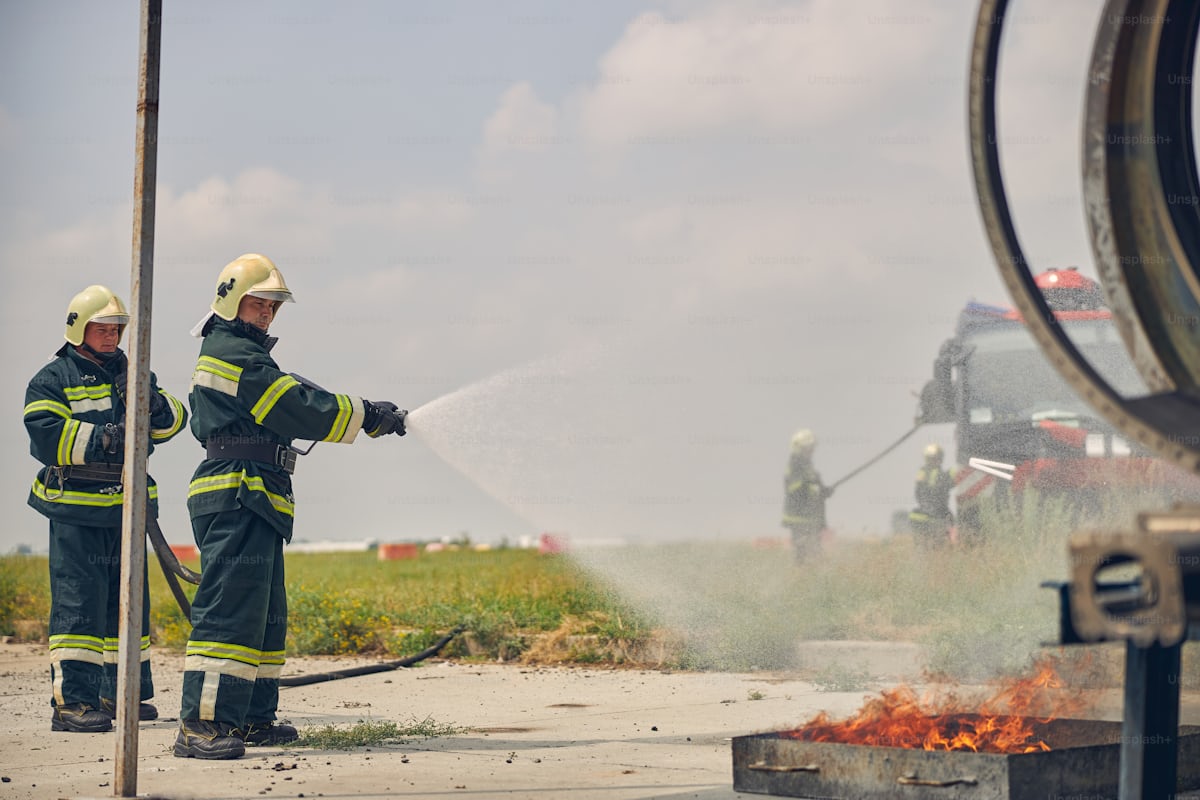
Firefighting foam has been an important tool for controlling fires. It is mainly helpful at airports, industrial sites, and fuel storage facilities. However, the chemicals utilized in several firefighting foams contain PFAS, which have raised intense environmental and health risks.
These substances are persistent because they are classified as “forever chemicals.” They do not easily break down on the planet. So with the passage of time, they can seep into soil, rivers, and groundwater, eventually finding their way into public drinking water supplies.
In this blog post, we are going to cover what firefighting foam chemicals are, how they enter drinking water, and some practical steps communities and individuals can take to reduce exposure.
What are Firefighting Foam Chemicals?
Firefighting foam is a type of chemical specially made for the quick extinguishing of fire by cooling off the flame and blocking it from having an available oxygen source. Most of these foams contain PFAS types of chemicals that enable the foam to effectively heat and spread over flammable liquid surfaces.
Although firefighting foams have proven helpful to save human lives and the property of others, their presence in the environment is concerning due to their long-term effect due to their stability, which allows them to be present in soil and water for years.
How Firefighting Foam Chemicals Can End Up in Drinking Water?
Firefighting foam chemicals can go far from their original use sites. Here are four ways through which they can find their way into public or private drinking water supplies.
Industrial and Airport Sites
Firefighting foam is extensively utilized at airports, fuel storage facilities, and industrial sites for emergency fire suppression. When foam is placed during drills or actual fires, a certain portion can seep into the surrounding soil.
When the time passes, the chemicals that are present in the foam slowly move downward, contaminating groundwater under these sites. This is particularly alarming for those communities that are located near industrial sites and airports.
Runoff into Rivers and Lakes
Foam applied outdoors can be cleaned away by rain or irrigation, moving into nearby rivers, reservoirs, and lakes. These water surfaces are mostly used as a source of municipal drinking water for citizens.
Since the compatibility of PFAS and other chemicals with the environment renders them resistant to natural breakdown, this water will persist for an extended period in reservoirs, rivers, and lakes. Because of this, when drinking this water, local communities will be drinking longer-duration contaminants without the possibility of their standard water treatment process being effective.
Leaching from Landfills and Waste Sites
Used or expired fire-fighting foams contribute to contamination everywhere they are disposed of. It is very likely that some foams ultimately end up at landfills, or chemical waste sites, etc., and these foams will eventually leach into the soil and underground aquifers.
Chemicals like this do not degrade naturally; that is why it would take many years for these chemicals (even though they would be in very small amounts) to accumulate. Therefore, cheaply managed waste sites become unseen pathways for chemicals to seep into water supplies, often far from the original site of foam use.
Firefighting Training Areas
Plenty of firefighting departments and military facilities normally use firefighting foam in training sessions. These training areas are commonly located outdoors, and the continuous use of foam in the same areas allows chemicals to build up in the soil.
With rainfall and groundwater movement, these chemicals slowly travel, potentially reaching wells and other local water sources. Since these chemicals are tasteless, colorless, or odorless, contamination can go ignored until water testing is performed.
Reducing Exposure to Firefighting Foam Chemicals: Practical Steps
Here are six steps that focus on awareness, prevention, and practical protection methods to reduce exposure to these chemicals.
- Test Drinking Water Regularly
One of the most crucial steps is testing drinking water for PFAS. Those owners who have private wells should arrange laboratory testing, while communities can request monitoring from local water officials.
- Use Certified Water Filters
Installing water filters certified to eliminate PFAS can greatly lessen the exposure. Activated carbon and RO filters are good choices for treating drinking and cooking water at home. These works to effectively remove a wide range of toxic impurities and contaminants your tap water, making it completely safer to drink.
- Support Safer Firefighting Alternatives
In the market, several safer PFAS-free firefighting foams are now available. Supporting fire departments and airports that transition to these alternatives helps lessen future contamination dangers for surrounding communities.
- Stay Informed
It is important for communities to remain informed about any PFAS contamination found at airport sites, locations of heavy-industrial operations, and military bases so that they can be better equipped to make choices regarding how they will use the water.
- Correct Methods for the Disposal of Firefighting Foams
Fire Fighting Foam that is no longer used or is no longer usable must be disposed of in accordance with Hazardous Waste Program Requirements. Proper disposal of firefighting foams prevents the chemicals contained within the firefighting foam from contaminating soil, landfills, and underground water supplies.
- Support for Stronger Environmental Regulations
Advocating for stronger environmental laws concerning Firefighting foam and requiring clean-up of contaminated sites is essential. Advocacy from the community encourages both the government and industry take responsibility for the protection of the public’s safety over the long-term.
Conclusion:
Firefighting foam has saved many lives and property, but PFAS chemicals in certain foam pose serious, prolonged risks to water, health, and the planet. Awareness and actions are very important because these chemicals remain present for years.
We can all reduce the exposure to these chemicals by testing water, using proper water filters, and supporting safer foam alternatives. With shared effort from people, communities, government, and officials, drinking water can be better protected for today and future generations.
So that’ all we had to say – hopefully you will find the given information valuable and interesting.