Depression and anxiety disorders affect millions of people worldwide, and while medications and therapy help many, some patients don’t respond adequately to these traditional treatments. Magnetic brain stimulation has emerged as an alternative option for people who haven’t found relief through conventional approaches.
This non-invasive procedure uses magnetic fields to stimulate specific brain regions, offering hope to those who’ve struggled with treatment-resistant conditions.
Understanding How Magnetic Brain Stimulation Works
The Science Behind the Treatment
Magnetic brain stimulation, commonly known as TMS (transcranial magnetic stimulation), uses focused magnetic pulses to stimulate nerve cells in targeted areas of the brain. The procedure works similarly to how an MRI machine generates magnetic fields, but TMS directs these pulses to specific brain regions associated with mood regulation rather than creating images.
During treatment, a specialized electromagnetic coil sits against the scalp near the forehead. When activated, this coil generates brief magnetic pulses that pass through the skull without pain or physical sensation for most people. These magnetic fields create small electrical currents in the brain tissue beneath the coil, activating neurons in that region.
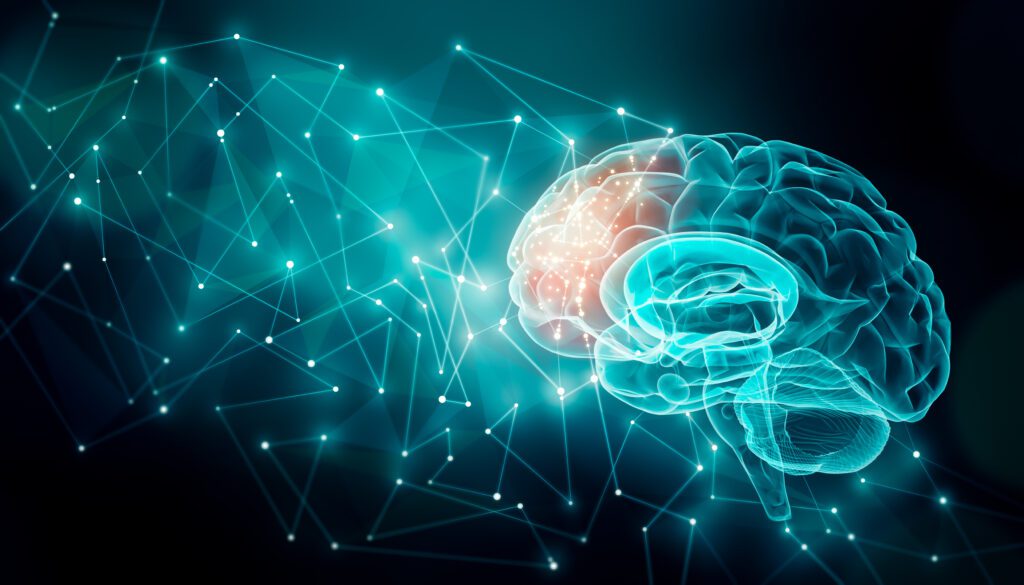
The most common target for TMS magnetic brain stimulation is the dorsolateral prefrontal cortex, a brain area that shows reduced activity in people with depression. By repeatedly stimulating this region, the treatment appears to help restore normal brain activity patterns over time. Think of it as physical therapy for the brain – repeated sessions gradually strengthen the brain’s ability to regulate mood.
Different Types of Magnetic Stimulation
Several variations of magnetic brain stimulation therapy exist, each using slightly different approaches. Standard TMS delivers pulses at a steady rhythm during treatment sessions. Deep TMS uses a different coil design that reaches deeper brain structures. Theta burst stimulation delivers pulses in specific patterns that may achieve results in shorter treatment times.
The FDA has approved specific TMS protocols for particular conditions, with the most established use being treatment-resistant depression. Researchers continue studying how different stimulation patterns and targets might help other psychiatric and neurological conditions.
Primary Benefits and Treatment Applications
Depression Treatment Outcomes
Magnetic brain stimulation depression treatment has shown meaningful results in clinical studies and real-world practice. Research indicates that roughly 50 to 60 percent of people with treatment-resistant depression experience significant symptom improvement after a full course of TMS. About one-third of patients achieve complete remission, meaning their depression symptoms resolve entirely.
These outcomes matter particularly for people who haven’t responded to multiple antidepressant medications or can’t tolerate medication side effects. Someone who’s tried four or five different antidepressants without adequate relief might find that TMS provides the breakthrough they’ve been seeking. The treatment doesn’t require daily pills, doesn’t cause the systemic side effects common with medications, and doesn’t impair cognitive function.
The benefits often persist after treatment ends. Many patients maintain their improvement for months or even years following a successful TMS course. If symptoms eventually return, additional maintenance sessions can often restore the benefits without requiring another full treatment course.
Anxiety and Other Applications
Magnetic brain stimulation for anxiety represents a newer but promising application. While FDA approval currently focuses on depression and obsessive-compulsive disorder, many clinics offer TMS for anxiety disorders based on emerging research showing positive results. The same brain regions involved in depression often play roles in anxiety, making these conditions logical targets for similar treatment approaches.
Studies examining TMS for generalized anxiety disorder, panic disorder, and post-traumatic stress disorder have shown encouraging preliminary results. Patients report reduced worry, fewer panic attacks, and decreased anxiety symptoms interfering with daily functioning. However, the research base for anxiety treatment remains smaller than for depression, and protocols aren’t as standardized yet.
For individuals interested in exploring this treatment option, seeking TMS therapy Brooklyn or at specialized clinics in your area can provide access to experienced providers who offer evidence-based protocols for both depression and anxiety disorders.
Beyond mood and anxiety disorders, researchers are investigating magnetic brain stimulation for:
- Obsessive-compulsive disorder, where FDA approval already exists for specific treatment protocols
- Post-traumatic stress disorder, particularly when combined with trauma-focused therapy
- Chronic pain conditions that haven’t responded to conventional pain management
- Certain types of migraines and headache disorders
- Smoking cessation and other addiction treatment support
Who Makes a Good Candidate
Not everyone qualifies as an appropriate candidate for magnetic brain stimulation. The ideal patient typically has moderate to severe depression that hasn’t improved adequately after trying at least two different antidepressant medications at therapeutic doses. Insurance companies usually require documented evidence of these failed medication trials before approving coverage for TMS.
Good candidates also need the ability to commit to the treatment schedule. Standard protocols require sessions five days per week for four to six weeks. Missing multiple sessions can reduce treatment effectiveness, so patients need reliable transportation and schedule flexibility during the treatment period.
Understanding the Risks and Side Effects
Common Side Effects
Magnetic brain stimulation generally causes fewer side effects than psychiatric medications. The most common complaint patients report is scalp discomfort or headache at the treatment site. This typically feels like a tapping or knocking sensation during the magnetic pulses and may cause mild soreness afterward, similar to muscle soreness after exercise.
These sensations usually decrease as patients become accustomed to the treatment. Taking over-the-counter pain relievers before sessions can help manage discomfort. Most people find the sensation tolerable, though some describe it as annoying rather than painful.
Other relatively common side effects include:
- Temporary lightheadedness or dizziness during or immediately after treatment
- Mild headaches that typically respond to regular pain relievers
- Facial muscle twitching during treatment sessions
- Temporary changes in hearing due to the loud clicking sound the device makes during pulses
These effects are generally mild and resolve quickly after each session ends. They rarely cause people to stop treatment prematurely.
Serious Risks to Consider
The most concerning potential risk of magnetic brain stimulation is seizures. The magnetic pulses can trigger seizure activity in rare cases, occurring in approximately 1 in 30,000 treatment sessions. This risk remains extremely low but represents the main serious complication that providers monitor for carefully.
People with seizure disorders, brain injuries, or metal implants in the head or neck typically cannot receive TMS safely. The magnetic fields could potentially move metal objects or interfere with electronic devices like cochlear implants. Providers conduct thorough screening before starting treatment to identify anyone at increased risk.
Mania represents another potential risk, particularly for people with bipolar disorder. The brain stimulation can potentially trigger manic or hypomanic episodes in susceptible individuals. Providers need complete psychiatric histories to assess this risk appropriately.
Some patients worry about cognitive effects or personality changes from brain stimulation. Research hasn’t found evidence that TMS causes these problems. Cognitive testing actually shows improvements in memory and concentration following treatment, likely because lifting depression allows the brain to function better overall.
What to Expect During Treatment
The Initial Consultation and Mapping
Before starting magnetic brain stimulation therapy, patients undergo a thorough evaluation. The provider reviews their psychiatric history, previous treatments tried, current medications, and medical conditions that might affect safety or candidacy. They’ll ask about any metal in the body, history of seizures, and other factors that could create complications.
During the first treatment session, the technician performs what’s called motor threshold mapping. They use the TMS device to find the precise location on the scalp where magnetic stimulation causes a finger or thumb to twitch. This helps them determine the right stimulation intensity for that individual’s brain. Everyone’s brain anatomy differs slightly, so this personalized calibration ensures effective treatment while minimizing side effects.
The mapping process takes about 30 minutes and involves some trial and error as the technician adjusts coil position and intensity. Once they’ve established the motor threshold, they use measurements to calculate where to place the coil for treating depression or other target conditions.
Typical Treatment Sessions
Standard treatment sessions last between 20 and 40 minutes depending on the protocol used. Patients sit in a comfortable chair similar to a dentist’s chair while the electromagnetic coil rests against their head in the predetermined location. They remain awake and alert throughout the procedure.
During stimulation, patients hear loud clicking sounds as the device pulses. Most clinics provide earplugs to reduce noise exposure. The sensation on the scalp varies by individual—some barely notice it while others find it uncomfortable initially. The intensity can be adjusted somewhat if the sensation becomes too bothersome, though reducing it too much may decrease effectiveness.
Patients can drive themselves to and from appointments, return to work immediately afterward, and continue all normal activities. There’s no recovery period or sedation involved. Many people read, listen to music, or work on their phones during non-stimulation intervals in their treatment session.
Length of Treatment and Maintenance
A standard course of magnetic brain stimulation runs five days per week for four to six weeks, totaling 20 to 30 sessions. Some patients notice improvement within two weeks, while others don’t experience significant benefits until completing most of the treatment course. Providers typically assess progress around the halfway point to determine whether the protocol should continue, be adjusted, or be discontinued.
After completing acute treatment, some patients need periodic maintenance sessions to sustain their improvements. The frequency varies considerably—some people return monthly while others only need treatment every few months or when they notice symptoms beginning to return. Insurance coverage for maintenance TMS varies and often requires documentation that symptoms have worsened.
Making an Informed Decision
Magnetic brain stimulation offers genuine benefits for carefully selected patients, particularly those with treatment-resistant depression who haven’t found adequate relief through medications and therapy.
The procedure’s non-invasive nature and minimal side effect profile make it appealing compared to options like electroconvulsive therapy or ongoing trials of multiple medication combinations.
However, the time commitment and cost considerations matter. Even with insurance coverage, copays can add up over 20 to 30 sessions. The daily appointment schedule for four to six weeks requires flexibility that not everyone can manage. Patients considering TMS should discuss these practical factors with their treatment team alongside the clinical considerations.
For people who’ve struggled for years with depression that hasn’t responded to conventional treatments, magnetic brain stimulation represents a legitimate option worth exploring. While not everyone responds, the success rates and safety profile make it a reasonable choice for appropriate candidates. Consulting with a psychiatrist experienced in TMS can help determine whether this treatment approach makes sense for someone’s particular situation and needs.