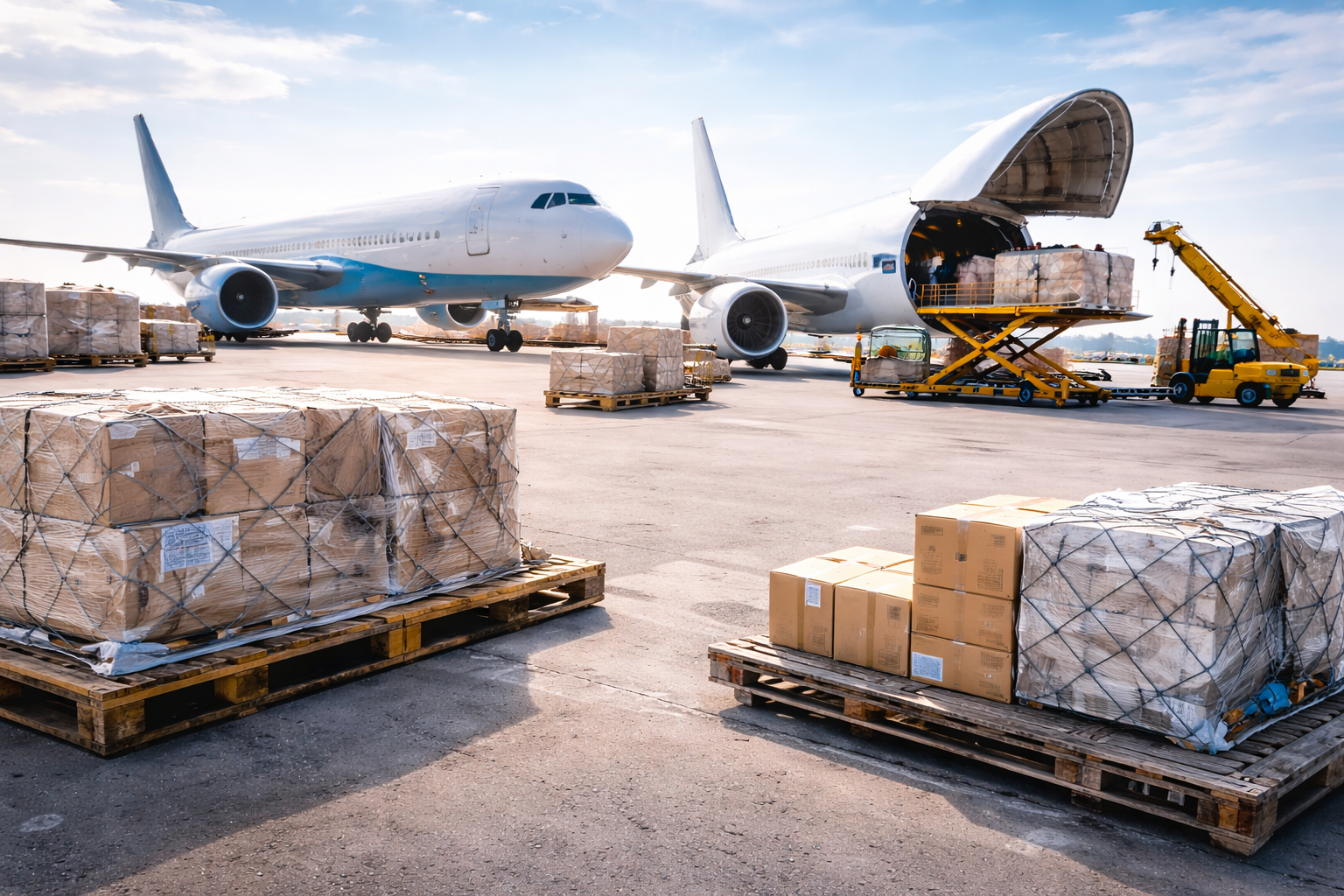
Air cargo transport is commonly divided into two main formats: regular air freight and charter flights. Both are widely used in international logistics, but they serve different operational needs. Understanding how these two models differ helps shippers choose the most suitable option based on timing, cost, and cargo requirements.
How Regular Air Freight Works
Regular air freight operates on scheduled flights with fixed routes and timetables. Cargo is transported either on dedicated freighter aircraft or in the cargo holds of passenger planes. Shipments are usually consolidated with other freight heading in the same direction, which allows airlines to optimize capacity usage.
In everyday logistics practice, companies that rely on International Air Freight Services typically use this model for planned and repeat shipments where predictable schedules and stable transit times are more important than route flexibility. Scheduled air freight accounts for a large share of global air cargo volume because it is supported by established airline networks and airport infrastructure.
How Charter Flights Differ
Charter flights do not operate on fixed schedules. Instead, an entire aircraft is arranged specifically for one shipment or client. Routes, departure times, and handling procedures are planned around the cargo’s requirements rather than airline timetables.
This option is often used when regular services cannot meet specific needs. Examples include oversized equipment, emergency supplies, or cargo destined for locations with limited scheduled air service. Charter flights provide greater control but require more detailed planning.
Cost Structure and Pricing Considerations
Cost is one of the main differences between these two transport models. Regular air freight generally offers lower costs per kilogram because space is shared among multiple shippers. This makes it suitable for businesses with consistent shipping volumes and predictable demand.
Charter flights involve higher overall costs, as the full aircraft capacity is reserved for a single shipment. However, in situations where delays could result in production losses or contractual penalties, the higher cost may be justified.
Flexibility and Transit Time
Scheduled air freight offers consistency but limited flexibility. Shippers must adapt to airline schedules and available capacity, which can become restricted during peak seasons.
Charter flights offer maximum flexibility. Departure times and routes can be adjusted to meet tight deadlines or special cargo requirements. This makes charters particularly valuable for time-critical or non-standard shipments.
Reliability and Risk Management
Regular air freight benefits from standardized procedures, frequent departures, and established handling processes. These factors support reliability for routine shipments.
Charter flights reduce risks associated with multiple handling points or missed connections. With fewer transfers, sensitive or complex cargo may face a lower risk of damage or delay.
Conclusion
Regular air freight and charter flights serve distinct roles in air cargo logistics. Scheduled services are well suited for planned shipments that benefit from cost efficiency and predictable schedules. Charter flights address exceptional cases where flexibility, speed, or cargo characteristics require a tailored solution. Choosing the right option depends on shipment urgency, cargo type, budget, and the level of control required over the transport process.