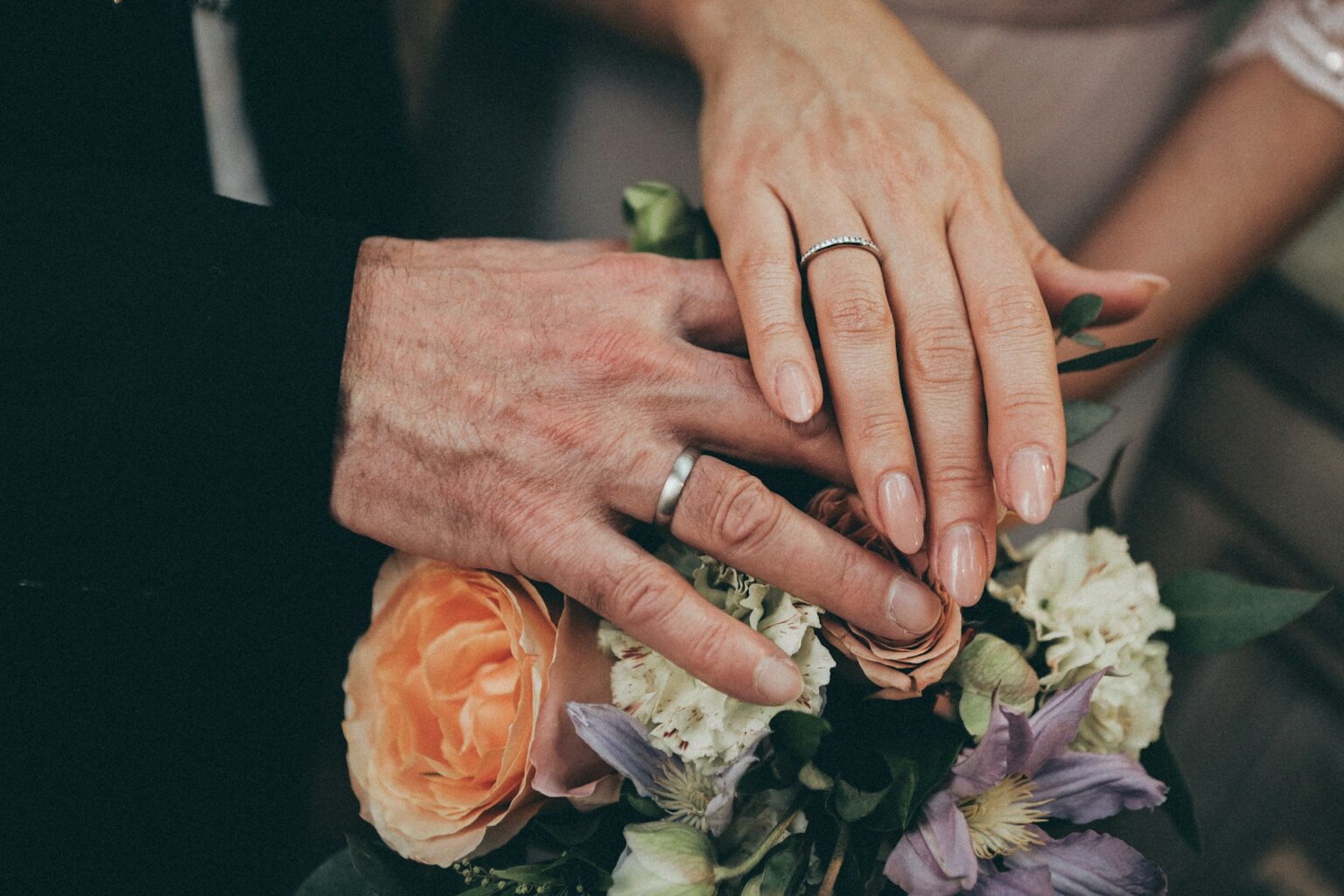
For decades, the standard blueprint for the British wedding was built on a philosophy of “more is more.” Success was often measured by the length of the guest list, the height of the cake, and the sheer scale of the ballroom. However, a significant and soulful shift has taken place across the UK’s wedding landscape. Modern couples are increasingly trading the “performance” of a large-scale event for the genuine “connection” of a micro-celebration. This move toward intentionality is redefining luxury—not as an exhibition of wealth, but as an investment in shared experience.
The appeal of the intimate celebration lies in its ability to be profoundly more meaningful. When a guest list is capped, the day stops being a logistical exercise and starts being about the quality of time spent with a chosen inner circle. This trend is not merely a reaction to changing times, but a proactive choice for those seeking “quiet luxury”: an atmosphere that is sophisticated, unhurried, and deeply personal.
The Rise of the Micro-Wedding
Across the country, the micro-wedding, or intimate wedding, has moved from a niche alternative to a premier lifestyle choice. It allows for a level of detail and personalisation that is simply unattainable when catering to hundreds. Couples are now prioritising “slow” celebrations—events that allow for actual conversation and a sense of presence. This shift has led to a surge in demand for intimate wedding packages that offer more than just a room, but a curated, house-party experience.
In this new era of celebrations, the venue serves as a sanctuary. The trend is moving away from commercial, purpose-built “wedding factories” and toward historic manor houses that were originally designed for hosting private, elite gatherings. These settings provide an authentic “home-away-from-home” feel, where the history of the stone and the stillness of the gardens act as a natural gravity for the ceremony.
Finding the Sanctuary in The South Cotswolds
While the trend is nationwide, certain landscapes lend themselves more naturally to this restorative style of celebration. The South Cotswolds—specifically the “Golden Valley” near Stroud—has emerged as a reference point for this specific type of luxury. Unlike the more manicured, tourist-heavy hubs of the northern Cotswolds, this region retains a creative, independent, and “wilder” spirit.
It is here that Burleigh Court Cotswolds, a 200-year-old Grade II-listed manor house, exemplifies the art of the small celebration. Overlooking the undulating emerald slopes of the valley, the property functions as a buffer from the frantic pace of modern life. For a small civil ceremony, the setting offers an “oxygen-rich” tranquility that requires very little in the way of artificial styling; the landscape does the heavy lifting.
The Scale-to-Room Ratio
One of the most vital aspects of planning a smaller event is the “scale-to-room” ratio. A small group in a sprawling hall can feel dwarfed by the space, but a small group in a room designed specifically for their numbers feels like an exclusive, elite gathering.
At Burleigh Court, these celebrations are often centred in the Terrace Room. Flooded with natural light and retaining its original period features, the space is designed for a maximum of 16 guests. Opening directly onto a floral rear patio and a Mediterranean-inspired garden, it allows for a seamless indoor-outdoor flow. This is essential for creating a relaxed, “halcyon hideaway” atmosphere, particularly for midweek weddings when the estate is at its most serene.
Gastronomy
When a kitchen is not required to cater for a mass-market crowd, the quality of the gastronomy is significantly elevated. This is where the true value of intimate wedding packages becomes apparent. With an AA Two Rosette rating and a strict “Farm-to-Fork” philosophy, the emphasis at Burleigh Court is on the local larder of Gloucestershire.
For an intimate wedding feast, the seating is typically a single, decadent long table equipped with crisp white linen and fine silverware. This communal dining experience—sharing award-winning, locally sourced dishes pulled from the estate’s own kitchen garden—turns the meal into the heart of the wedding. It is a slow, sensory experience, complemented by a wine cellar that prioritises organic and biodynamic selections, specifically paired to the bespoke menu.
Flexible Formats for the Modern Couple
Intimate weddings allow for far more flexible scheduling than their larger counterparts. Two distinct formats have emerged as the most popular for those seeking a “refined but relaxed” day:
- The Afternoon Wedding: A midday civil ceremony followed by a champagne reception and a luxurious afternoon tea. This suits couples looking for an elegant, “light-touch” celebration that concludes by late afternoon, allowing for a quiet evening of reflection.
- The Full Wedding Feast: Starting later in the day, this includes the ceremony and champagne reception leading into a sumptuous, multi-course banquet. This format is designed for those who want the full “fine dining” experience without the noise of a traditional evening disco.
Ultimately, the new standard of luxury in the wedding industry is not about how many people witness the ceremony; it is about the depth of the connection felt. It is about starting a marriage with reverence and elegance in a place that feels like a home rather than a venue. In the heart of the Golden Valley, the celebration is not just an event—it is a restoration of what the wedding day was always intended to be.