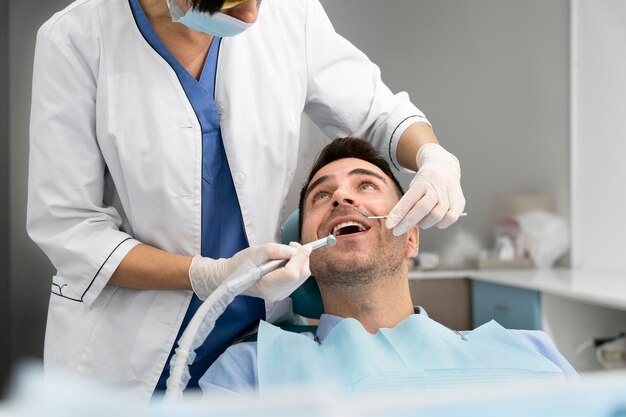
The dental chair triggers more fear than perhaps any other piece of furniture in human experience. For millions of people, the thought of reclining in that chair while someone works inside their mouth activates primal anxiety responses. But something remarkable has been happening in recent years. Dental professionals have become unlikely experts in psychology, developing sophisticated strategies to transform one of healthcare’s most anxiety-producing experiences into something manageable, even comfortable.
Understanding the Fear
Dental anxiety isn’t trivial or irrational. It has deep evolutionary roots. The mouth is an incredibly vulnerable space. Allowing someone access to it requires profound trust. Add the sounds of drilling, the sensation of numbness, the feeling of being unable to swallow normally, and the lack of control that comes from lying back with your mouth open, unable to speak clearly.
For some people, previous traumatic experiences compound these inherent vulnerabilities. A painful childhood procedure, a dismissive practitioner, or even just a gag reflex incident can create lasting associations. The brain remembers and tries to protect you by triggering fight-or-flight responses when faced with similar situations.
Dental professionals now understand these mechanisms aren’t character flaws or childish behavior. They’re legitimate psychological responses that require thoughtful, compassionate strategies.
The Revolution in Communication
Modern dental practice emphasizes communication in ways that would have seemed excessive decades ago. Before touching anything in your mouth, many practitioners explain exactly what they’re about to do, what you’ll feel, and how long it will take. This predictability reduces anxiety significantly.
The language matters too. Instead of saying “this might hurt a little,” which primes you to expect pain, anxiety-aware practitioners might say “you’ll feel some pressure” or “let me know if you need a break.” These aren’t just euphemisms. They’re carefully chosen words that frame experiences differently in your mind.
Some dental offices use the “raise your hand” signal system, giving patients a way to communicate without words. This simple tool restores a sense of control. You’re not trapped. You can stop the process at any time. Often, just knowing this option exists means patients never need to use it.
Creating Calm Environments
Walk into a modern dental practice and you might notice design elements specifically chosen to reduce anxiety. Colors trend toward calming blues and greens rather than sterile whites. Natural light replaces harsh fluorescents where possible. Some offices include aquariums, nature photography, or even virtual reality windows displaying peaceful scenes.
Sound management has become crucial. Many offices play carefully selected music that masks the sound of dental equipment while promoting relaxation. Some offer noise-canceling headphones. A dentist South Yarra might let patients choose their own music or podcasts, creating a personalized soundscape that distracts from clinical noises.
Even smells are considered. Traditional dental offices smelled of eugenol and other clinical scents that became anchors for negative memories. Modern practices use better ventilation and sometimes subtle aromatherapy to create more pleasant sensory environments.
Technology as Anxiety Reducer
Modern dental technology often reduces both the duration and invasiveness of procedures, directly addressing anxiety triggers. Digital impressions eliminate gagging from traditional molds. Laser treatments can sometimes replace drilling. Advanced anesthetics work faster and more completely.
When practitioners explain how technology makes procedures easier, it provides cognitive reassurance that complements emotional support strategies.
Rewriting Personal Narratives
The ultimate goal of anxiety-focused dental care is helping patients rewrite their internal narratives about dental experiences. Each positive visit creates new neural pathways. Over time, the automatic anxiety response can diminish as the brain learns that the dental chair is not actually a threat.
This transformation doesn’t happen overnight, but it does happen. Patients who once avoided dental care for years sometimes become people who attend regular appointments without overwhelming dread. The psychological strategies being employed in modern dental practices are genuinely changing lives by making essential healthcare accessible to people who previously couldn’t tolerate it.
The chair itself hasn’t changed much, but everything around it has been reimagined through a psychological lens. Tooth doctors have become anxiety specialists, and that’s made all the difference.