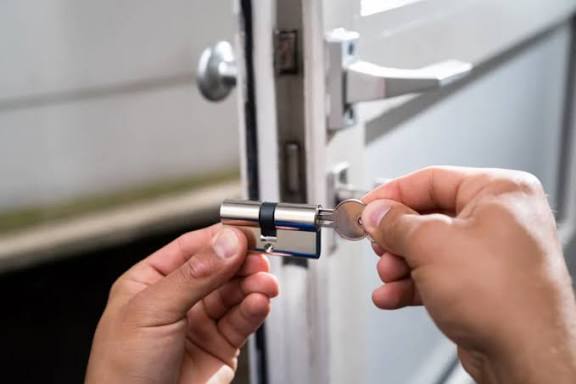
Choosing the right locks for a commercial property in the UK is essential for safeguarding employees, customers, assets, and sensitive information. Business premises are far more vulnerable to break-ins than homes, and with rising concerns about theft, vandalism, and unauthorised access, high-quality locks are not optional—they’re a necessity.
But with so many lock types on the market, from British Standard deadlocks to advanced electronic systems, many business owners find it challenging to know which option is best.
Here are the most important tips for choosing the best locks for commercial buildings in the UK—and how a professional locksmith can help you make the right decision.
1. Choose Locks That Meet British Standards
In the UK, one of the first things business owners should look for is the BS3621 or BS8621 certification. British Standard (BS) locks have been tested for resistance against common break-in methods, including drilling, picking, and forced entry.
- BS3621 locks are ideal for external doors and are insurance-approved.
- BS8621 locks allow for quick escape without a key, making them suitable for fire-safety-regulated areas.
Installing locks that meet British Standards not only ensures robust security but also keeps your business compliant with insurance and safety requirements. A commercial locksmith can advise which standards apply to your specific building type.
2. Consider the Level of Foot Traffic
Different commercial spaces experience different levels of daily traffic. A shopfront with hundreds of visitors needs stronger, more durable locks than a small office with controlled entry.
For high-traffic environments, you may need:
- Heavy-duty mortice locks
- Electronic keypads
- Magnetic locks
- Access-controlled systems
A professional emergency locksmith Harlow can evaluate the daily use of your doors and recommend locks that won’t wear out quickly or become a security risk.
3. Upgrade to Access Control Systems
Traditional keys can easily get lost, copied, or mishandled, making them a security concern in commercial settings. Modern access control systems offer better accountability and convenience.
Options include:
- Keycard or fob systems
- Biometric locks (fingerprint or facial recognition)
- Keypad entry with PIN codes
- Mobile-based access apps
These systems allow you to track entries, restrict access to certain areas, and deactivate lost or stolen credentials instantly. Locksmiths specialising in commercial security can install, configure, and maintain these systems to keep your building secure.
4. Use High-Security Cylinder Locks
For businesses that want a traditional lock-and-key system with enhanced protection, high-security cylinder locks are an excellent choice. These locks come with:
- Anti-snap
- Anti-pick
- Anti-drill
- Anti-bump
- Reinforced cylinders
In many parts of the UK, lock-snapping is a common burglary method. Choosing anti-snap Euro cylinders helps prevent this type of attack. A commercial locksmith can help you select the correct cylinder size and security grade to match your doors.
5. Don’t Overlook Internal Security
While external doors usually get the most attention, internal security is equally important—especially for businesses that handle sensitive data, valuable stock, or confidential documents.
Consider installing high-security locks on:
- Storage rooms
- Server rooms
- Staff-only areas
- Cash offices
- Inventory rooms
A locksmith can conduct a security assessment and identify all internal areas that require additional protection.
6. Assess Your Building’s Fire Safety and Accessibility Requirements
Commercial buildings in the UK must follow specific fire and accessibility regulations. This means you may need locks that ensure protection without compromising safe escape during emergencies.
Examples include:
- Panic bars
- Emergency exit devices
- Thumb-turn locks
A qualified locksmith can ensure your locking system meets both security standards and legal requirements, keeping your building compliant and safe.
7. Invest in Professional Installation and Regular Maintenance
Even the best commercial lock will fail if installed incorrectly. Professional locksmith installation ensures that:
- Locks align perfectly with the door frame
- Security features function as intended
- Doors close and latch properly
- Weaknesses in the door or frame are addressed
Additionally, commercial locks require periodic maintenance. A locksmith can provide routine inspections to check for wear, lubricate mechanisms, and make adjustments that prolong the life of your locks.
How UK Locksmiths Help You Choose and Install the Right Locks
Professional locksmiths do more than simply fit locks—they act as security consultants for your business. A skilled commercial UK local locksmith can:
- Perform a full security audit of your premises
- Recommend the best lock types for your building, industry, and risk level
- Ensure compliance with British Standards and insurance requirements
- Install locks correctly and safely
- Provide ongoing support, repairs, and emergency callouts
Their expertise helps you avoid costly mistakes, prevent break-ins, and create a safer environment for employees and customers.
Final Thoughts
Choosing the best locks for a commercial building in the UK is not just about buying the strongest lock on the shelf—it’s about selecting the right solution for your specific business needs, building layout, and legal requirements. With the guidance of a professional locksmith, you can create a secure, compliant, and efficient locking system that protects your property from every angle.
When your business security is on the line, expert advice is not just helpful—it’s essential.