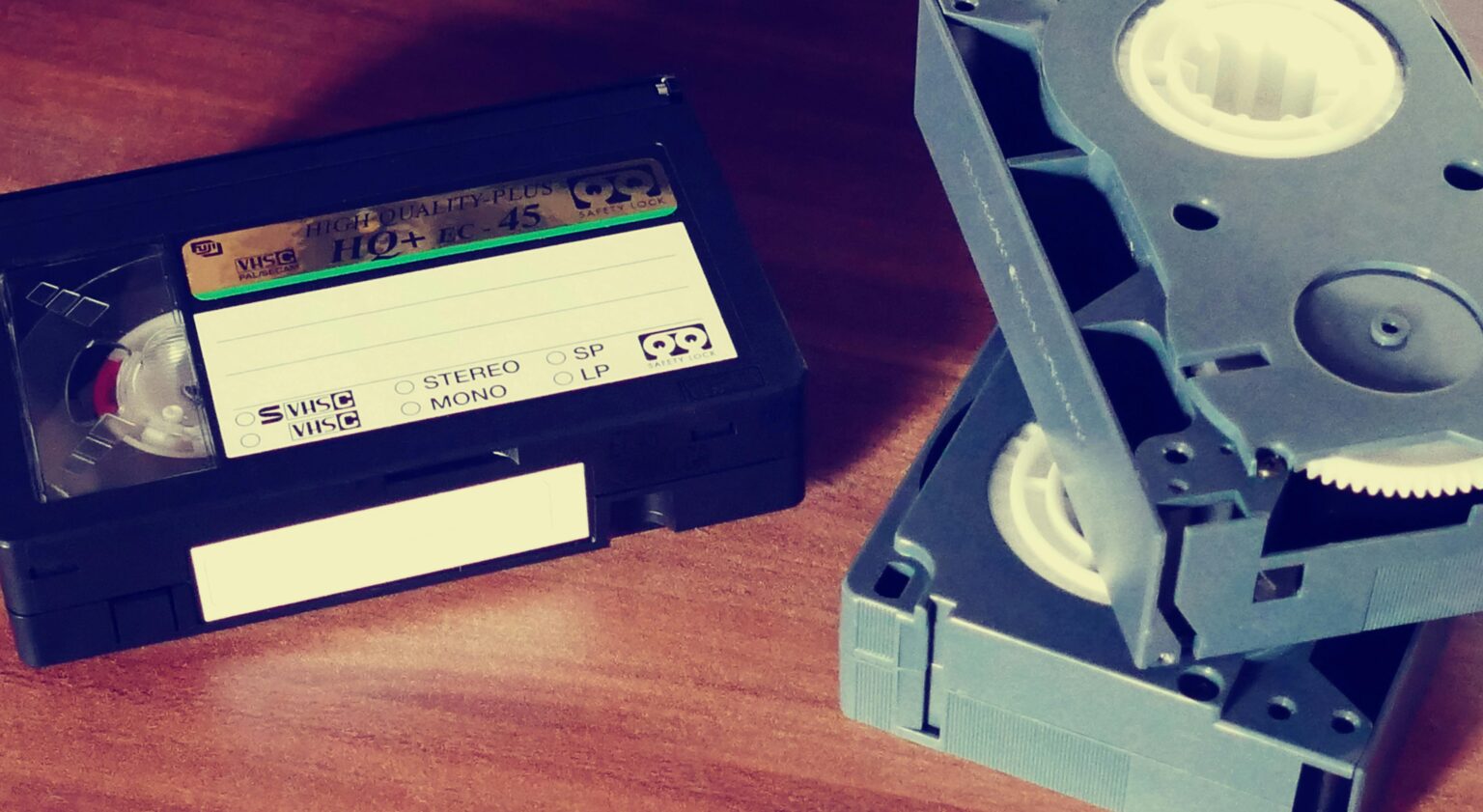
VHS tapes were once the standard medium for capturing family moments, school events, and personal milestones. While they served us well in the past, the reality is that VHS tapes are prone to degradation and can become unusable over time. Converting VHS to Digital is the modern solution to protect these valuable memories and make them accessible on contemporary devices.
The Vulnerability of VHS Tapes
VHS tapes are magnetic media, and over time, the magnetic particles that store the video information can deteriorate. Common problems include fading images, distorted sound, and tape jamming. Environmental factors like humidity, temperature fluctuations, and dust can accelerate the deterioration process. Additionally, VHS players are becoming increasingly rare, making it difficult to access content stored on tapes.
By converting your VHS collection to a digital format, you can prevent these issues. Digital files do not degrade over time, can be easily backed up, and are accessible on multiple modern devices like computers, smartphones, and smart TVs. This ensures that your cherished memories are safe and convenient to enjoy.
How the Conversion Process Works
The process of converting VHS to Digital involves specialized equipment and software. Tapes are played using a VCR connected to a digital capture device. The analog signal from the tape is captured and converted into a digital file format, such as MP4 or MOV.
During the transfer process, it’s possible to enhance the quality of your recordings. Services often include features like color correction, stabilization, and noise reduction, which can make old footage look clearer and more enjoyable to watch. Once the conversion is complete, digital files can be stored on external hard drives, USB drives, DVDs, or cloud storage. This allows for safe backup, sharing, and easy access whenever needed.
Benefits Beyond Preservation
Converting VHS to Digital offers advantages beyond simply preserving content. One of the primary benefits is convenience. Digital files are portable and can be viewed on virtually any device without requiring a VHS player. This makes sharing memories with friends and family simple and instant.
Another benefit is organization. Digital videos can be labeled, sorted, and categorized according to date, event, or people, making it easy to find specific moments. Additionally, unlike VHS tapes, digital files can be duplicated without any loss of quality, providing multiple backups to protect against data loss.
Moreover, digital conversion opens the door for creative possibilities. You can create personalized video compilations, slideshows, or even integrate footage into modern multimedia projects. This allows your memories to be enjoyed in new and engaging ways, keeping them relevant for today’s audience.
Choosing a Professional Service
While it’s possible to attempt DIY conversions, professional services ensure high-quality results and safe handling of your tapes. Experts use specialized equipment and techniques to achieve the best possible video and audio quality. They also offer guidance on file formats and storage options, helping you make informed decisions for long-term preservation.
A trusted service minimizes the risk of damage to your original tapes, provides technical expertise, and often includes additional enhancements to improve the final output. Selecting a reputable provider guarantees that your memories are preserved with care and precision.
Conclusion: Take Action to Protect Your Memories
VHS tapes contain irreplaceable memories, but their fragile nature makes timely conversion critical. Converting VHS to Digital protects your recordings from deterioration, ensures easy access on modern devices, and allows you to organize and share your memories effortlessly.
Don’t let time or technology make your precious moments inaccessible. Take the step today to preserve your family history and personal milestones. For reliable and professional conversion services, check out VHS to Digital and ensure your memories remain safe for years to come.