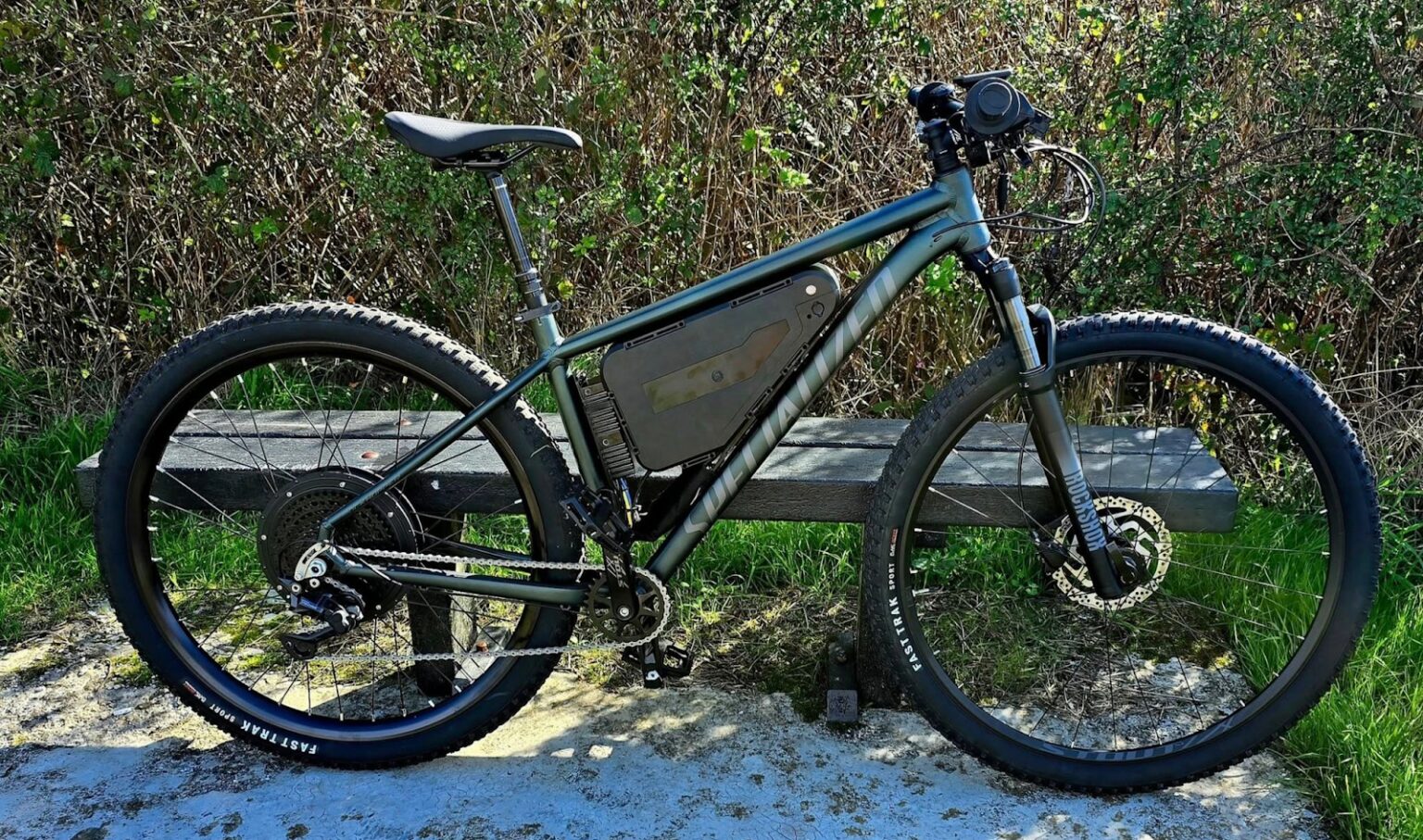
The electric bike revolution continues to reshape urban mobility, but potential riders face a crucial decision: should you invest in a complete e-bike or convert your existing bicycle? With technology advancing rapidly and prices becoming more competitive, 2026 presents unique opportunities for both approaches. This comprehensive guide examines the pros and cons of each option to help you make an informed choice.
Understanding Your Options
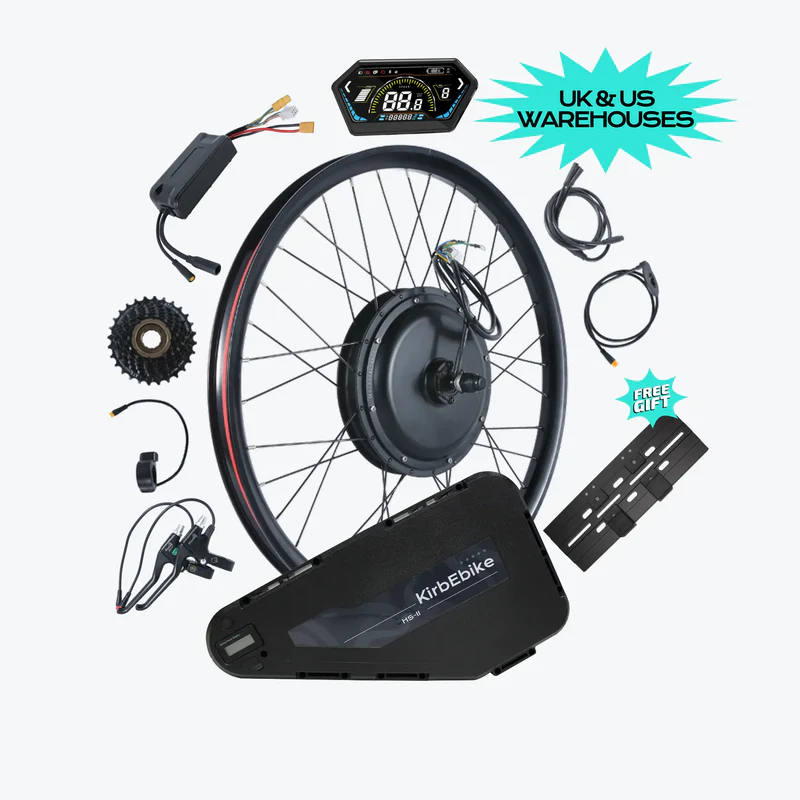
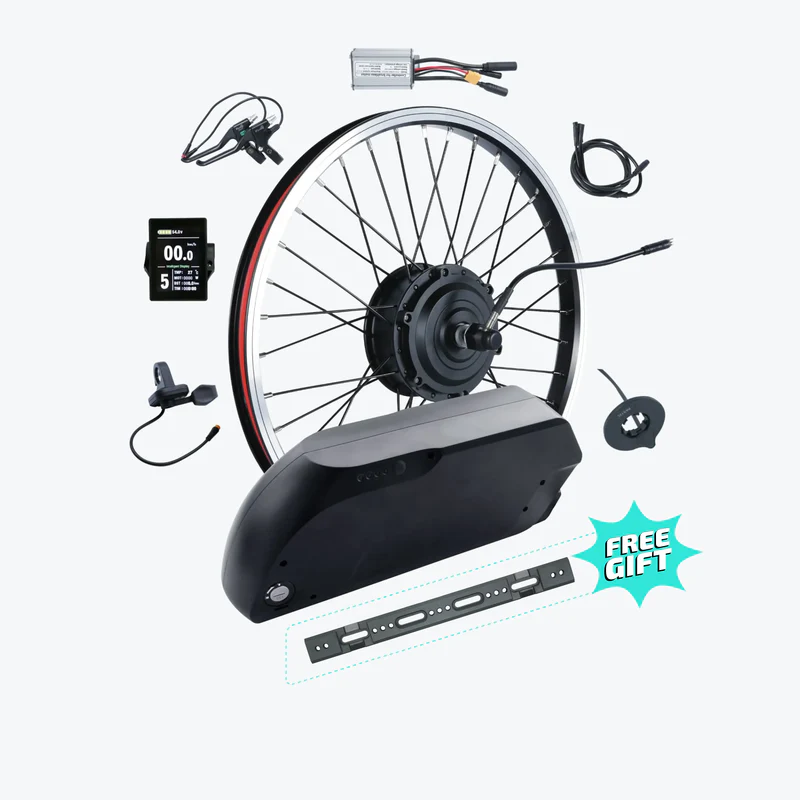
Before diving into comparisons, it’s essential to understand what each option entails. A full e-bike is a purpose-built electric bicycle designed from the ground up with integrated motor, battery, and control systems. An e-bike conversion kit, conversely, transforms your existing bicycle into an electric one by adding a motor wheel, battery pack, controller, and display.
Cost Considerations: The Decisive Factor for Many
Budget often determines which path riders choose, and the difference can be substantial.
Full E-Bike Costs: Entry-level complete e-bikes typically start around £1,200-£1,500, with quality mid-range models costing £2,000-£3,500. Premium e-bikes with advanced features can easily exceed £5,000. These prices include everything you need to ride immediately.
Conversion Kit Costs: DIY ebike conversion kits offer significant savings. Quality kits range from £240 for basic 250W systems to £670 for high-performance 4000W setups. If you already own a suitable bicycle, you’re immediately saving hundreds compared to buying a complete e-bike.
For example, the 48V 250W ebike conversion kit starts at approximately £308 for those seeking legal UK road compliance, while the powerful 52V 2000W MTX Rim Ebike Kit delivers professional-grade performance at £824—still considerably less than comparable complete e-bikes.
Winner: Conversion Kits – The cost advantage is undeniable, especially if you already have a bicycle you love.
Performance and Power Options
Performance requirements vary dramatically based on your riding style, terrain, and local regulations.
Full E-Bikes: Most commercial e-bikes offer 250W-750W motors designed to meet legal requirements in various regions. They’re optimized for efficiency and reliability but often limit customization. European models are typically restricted to 25km/h (15.5mph) with 250W motors, while US models can reach 28mph with 750W systems.
Conversion Kits: This is where conversion kits truly shine. You can choose exactly the power level you need:
- 250W-500W kits: Perfect for flat commutes and legal road use
- 750W-1000W kits: Ideal for hilly terrain and faster speeds
- 2000W+ kits: Designed for off-road adventures and maximum performance
The 48V 1000W Ebike Kit hits speeds of 45-50km/h with a 35-60km range, offering more power than most commercial e-bikes. For riders seeking extreme performance, systems like the 52V 2000W kit can reach 50-60km/h, delivering motorcycle-like acceleration with a bicycle’s agility.
Winner: Conversion Kits – The ability to select precisely the power output you need gives conversion kits a decisive edge.
Installation and Setup
The ease of getting your e-bike on the road matters, especially for those without mechanical experience.
Full E-Bikes: Simply unbox, charge, and ride. No technical knowledge required. Most arrive 85-95% assembled, needing only basic adjustments to handlebars and pedals. This plug-and-play convenience appeals to riders who want immediate gratification.
Conversion Kits: Modern conversion kits have dramatically simplified installation. Most quality kits now feature:
- Pre-built motor wheels (no wheel lacing required)
- Color-coded wiring systems
- Plug-and-play connectors
- Comprehensive video tutorials
- Complete tool kits included
Installation typically takes 20-30 minutes for hub motor kits. The process involves replacing your existing wheel, mounting the battery, connecting the controller, and installing the display. Mid-motor systems like the Mid Motor Electric Conversion Kit require slightly more time (around 40-50 minutes) due to bottom bracket replacement.
For those nervous about DIY installation, many bike shops now offer conversion kit installation services for £50-£100, still keeping total costs well below a complete e-bike.
Winner: Full E-Bikes – But the gap has narrowed significantly. If you’re comfortable with basic bicycle maintenance, conversion kits are entirely manageable.
Customization and Flexibility
Your ability to tailor the e-bike to your specific needs varies considerably between options.
Full E-Bikes: Limited customization options. You’re locked into the manufacturer’s chosen motor, battery capacity, display, and frame geometry. Upgrading components later often proves difficult or impossible due to proprietary systems and integrated designs.
Conversion Kits: Ultimate flexibility. You can:
- Choose your preferred frame geometry and riding position
- Select battery capacity based on your range needs (16Ah-30Ah typically available)
- Pick wheel sizes from 20″ to 29″ and 700C
- Decide between front, rear, or mid-drive motor placement
- Keep familiar components like saddle, handlebars, and pedals
Additionally, you can upgrade individual components over time. Need more range? Add a larger battery. Want more power? Upgrade to a higher wattage controller. This modularity ensures your e-bike grows with your needs.
Winner: Conversion Kits – The ability to build exactly what you want is unmatched.
Weight and Portability
E-bike weight affects handling, storage, and transportation.
Full E-Bikes: Purpose-built e-bikes typically weigh 20-28kg (44-62 lbs), with integrated batteries and reinforced frames adding considerable mass. This weight makes them cumbersome to carry upstairs or load onto car racks.
Conversion Kits: Total weight depends on your base bicycle and chosen components. A quality conversion on a lightweight bike might total 18-23kg, offering better maneuverability. Hub motor kits add 3-7kg depending on power level, while batteries contribute 2.5-4kg. Because you’re starting with your existing bike, you maintain familiar handling characteristics.
Winner: Conversion Kits – Slightly lighter overall, with the advantage of converting an already familiar bicycle.
Maintenance and Reliability
Long-term costs and hassle matter as much as initial investment.
Full E-Bikes: Proprietary systems can complicate repairs. If your manufacturer discontinues your model, finding replacement batteries or controllers becomes problematic. However, complete e-bikes typically undergo more rigorous quality control and arrive with comprehensive warranties.
Conversion Kits: Standard components mean easier repairs and replacements. Most kits use common connectors and widely available parts. If something fails, you’re not dependent on a single manufacturer. Quality conversion kits include:
- 1-year warranties on electrical components
- Readily available replacement parts
- Standard specifications that any e-bike technician understands
Your bicycle’s existing components (frame, brakes, drivetrain) remain serviceable by any bike shop, unlike integrated e-bike systems requiring specialized knowledge.
Winner: Conversion Kits – Better long-term serviceability and parts availability.
Battery Technology and Range
Battery performance determines your e-bike’s practical usability.
Full E-Bikes: Typically offer 400-700Wh batteries integrated into the frame. Range varies from 40-100km depending on assistance level, rider weight, and terrain. Replacement batteries are expensive (£400-£800) and model-specific.
Conversion Kits: Battery options range from 36V 13Ah (468Wh) to 72V 20Ah (1440Wh), providing 30-80km range depending on power consumption. Battery types include:
- Frame-mounted triangle batteries (secure, low center of gravity)
- Rear rack batteries (easy removal for charging)
- Downtube batteries (sleek, integrated appearance)
Replacement batteries cost £200-£400 and use standard voltages, ensuring long-term availability. The 52V 2000W kit, for instance, offers both 20Ah and 30Ah battery options, allowing riders to choose between moderate range and all-day capacity.
Winner: Tie – Both offer adequate range for most riders, with conversion kits providing more upgrade flexibility.
Legal Considerations
E-bike regulations vary by region and affect which option suits your needs.
UK and EU Regulations: Legal e-bikes must not exceed 250W motor power and 25km/h (15.5mph) assisted speed. Both full e-bikes and conversion kits can meet these requirements, though many conversion kits offer power levels exceeding legal limits for private land or off-road use.
US Regulations: Three classes exist – Class 1 (pedal-assist to 20mph), Class 2 (throttle to 20mph), and Class 3 (pedal-assist to 28mph). Most full e-bikes are designed for specific classes, while conversion kits offer flexibility to configure systems for legal compliance or private property use.
Many modern conversion kits include display settings to limit speed to legal thresholds for road use, then unlock full power for off-road riding. This versatility appeals to riders who want both legal commuting and recreational performance.
Winner: Full E-Bikes – They’re designed specifically for legal road use, eliminating regulatory concerns.
Resale Value and Investment
Long-term value matters when making a significant purchase.
Full E-Bikes: Depreciate quickly, often losing 30-40% of value in the first year. Proprietary components and model-specific batteries make older e-bikes less desirable. However, reputable brands maintain better resale value than unknown manufacturers.
Conversion Kits: Your base bicycle retains its value, and you can remove the conversion kit when selling. This modularity means you’re not locked into the e-bike format. If you upgrade bicycles, simply transfer the kit to your new bike. Alternatively, sell the kit separately to another DIY enthusiast.
Winner: Conversion Kits – Greater flexibility and better value retention.
Real-World Use Cases
Different riders have different needs. Here’s how each option serves specific scenarios:
Urban Commuter (8-15km daily)
Best Choice: Either option works well, but a 250W-500W conversion kit offers excellent value. The 48V 250W front wheel conversion kit provides legal UK compliance with 30-35km/h capability and 40-70km range, perfect for city commuting at a fraction of a complete e-bike’s cost.
Hill Climbing Enthusiast
Best Choice: Conversion kit with mid-drive or powerful hub motor. The torque sensor mid-motor systems deliver 140Nm of torque, making steep climbs manageable. Few commercial e-bikes offer comparable climbing performance at reasonable prices.
Long-Distance Touring
Best Choice: Full e-bike with large integrated battery, unless you opt for a high-capacity conversion kit. The 52V 30Ah battery option provides 80km range even with powerful motors, but purpose-built touring e-bikes offer better weather protection and cargo capacity.
Off-Road Adventure
Best Choice: High-power conversion kit. The 52V 2000W or 72V 4000W systems deliver performance no commercial e-bike can match legally. With 50-85km/h top speeds and robust construction, these kits turn mountain bikes into electric motorcycles for private land use.
Senior Riders or Limited Mobility
Best Choice: Full e-bike with step-through frame, unless converting an existing comfortable bicycle. The pedal-assist and throttle options on both systems provide mobility assistance, but full e-bikes offer warranty support and professional setup.
The Verdict: Which Should You Choose?
After examining every angle, conversion kits emerge as the superior choice for most riders in 2026, particularly those who:
- Already own a quality bicycle they enjoy riding
- Want to customize power, range, and performance
- Seek maximum value for their investment
- Appreciate modularity and long-term serviceability
- Feel comfortable with basic mechanical tasks (or have access to a bike shop)
However, full e-bikes remain the better option for riders who:
- Lack a suitable bicycle for conversion
- Want immediate, hassle-free transportation
- Prioritize warranty coverage and professional support
- Need guaranteed legal compliance for road use
- Prefer integrated aesthetics and design
Making the Switch: Getting Started with Conversion Kits
If you’ve decided a conversion kit suits your needs, here’s how to proceed:
- Assess Your Bicycle: Ensure your bike has a strong frame, quality brakes, and adequate tire clearance. Mountain bikes, hybrid bikes, and sturdy commuters work best.
- Determine Power Needs: Consider your terrain, desired speed, and local regulations. Start with moderate power (250W-750W) for most applications.
- Choose Battery Capacity: Calculate your daily distance and add 30-40% buffer. A 48V 16Ah battery covers most urban commuting needs, while 52V 20-30Ah handles longer rides.
- Select Wheel Size and Type: Measure your current wheel (marked on tire sidewall) and determine whether you have a freewheel or cassette system.
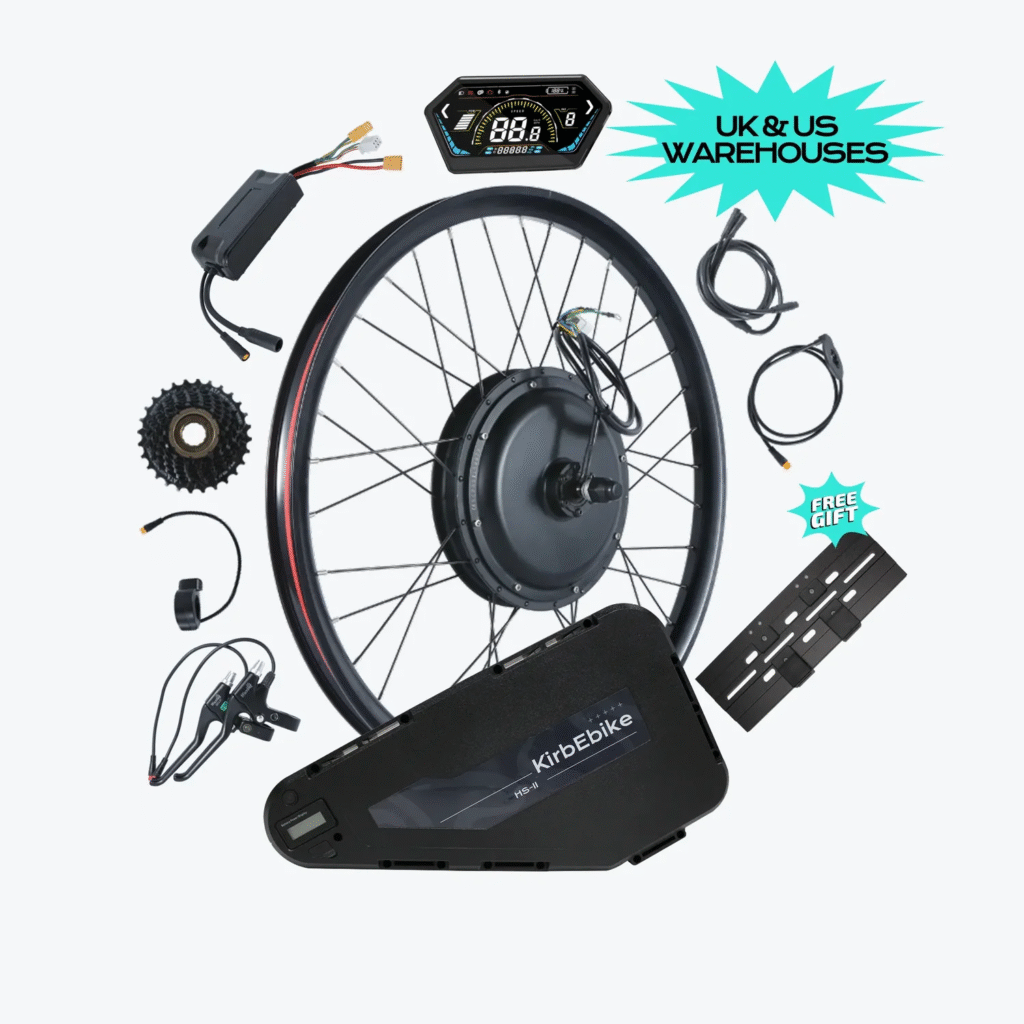
- Order and Install: Quality kits like those from Kirbebike.com include everything needed—motor wheel, battery, controller, display, brake sensors, throttle, and installation tools.
The Future of E-Bikes in 2026 and Beyond
The e-bike market continues evolving rapidly. Conversion kits are becoming increasingly sophisticated, with features like:
- Regenerative braking systems
- Smartphone connectivity for navigation and diagnostics
- Torque sensors for natural pedal-assist feel
- Improved waterproofing (IP66/IP67 ratings)
- Lighter, more energy-dense batteries
Meanwhile, full e-bikes are incorporating better technology but at premium prices. The cost gap between quality conversion kits and complete e-bikes continues widening, making DIY conversions increasingly attractive.
Final Thoughts
The conversion kit versus full e-bike decision ultimately depends on your priorities, mechanical confidence, and existing resources. For most riders in 2026, DIY ebike conversion kits offer unbeatable value, flexibility, and performance. They transform familiar bicycles into electric powerhouses while maintaining the character and comfort you already love.
Whether you choose the legal-compliant 250W system for urban commuting or the high-performance 2000W kit for weekend adventures, conversion technology has matured to the point where DIY electric bikes rival or exceed commercial offerings—at a fraction of the cost. With proper installation and maintenance, a quality conversion kit delivers years of electric cycling enjoyment while preserving the option to upgrade, modify, or transfer components as your needs evolve.
The electric cycling revolution doesn’t require abandoning your beloved bicycle. With the right conversion kit, you can join the movement while keeping what makes your bike special to you.