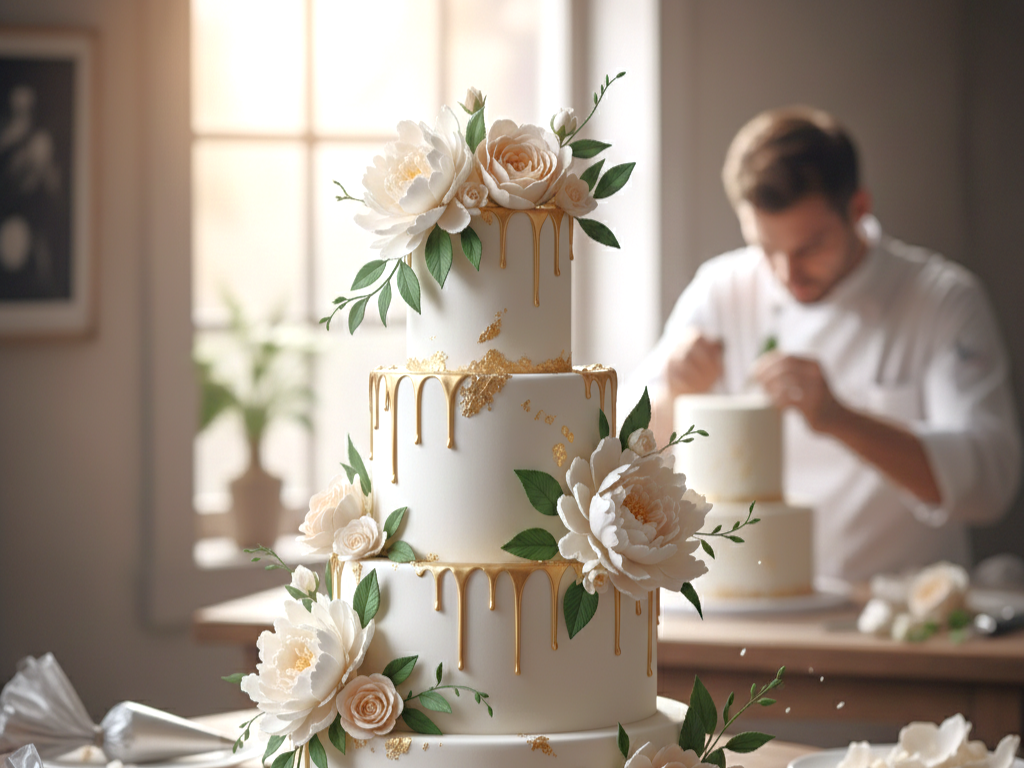
Cake design is a fusion of craftsmanship, creativity, and aesthetic sensitivity. Nowadays, a cake is rarely just a dessert. More and more often, it becomes the focal point of a celebration and a visual highlight of the entire event. When well-designed, it can emphasise the character of the occasion, surprise the guests, and remain vivid in their memory for a long time. Achieving such an effect requires not only high-quality ingredients, but also a thoughtful concept and meticulous attention to detail.
A Creative Approach to Cake Design
Starting with an idea
Every successful cake begins with an idea. The inspiration may stem from the occasion itself, the visual theme of the celebration, the season of the year, or the personal preferences of the person for whom the cake is being prepared. At this stage, it is worth considering the overall form, colour palette, and the mood the cake should convey. Harmony between the event’s theme and the cake’s appearance ensures the result feels natural and elegant. Designing also involves attentive listening and translating expectations into tangible confectionery solutions.
Choosing the right ingredients
Flavour matters just as much as appearance. The choice of sponge, filling, and additional components should form a harmonious whole – something that doesn’t overwhelm but pleasantly surprises. Classics remain beloved, though more unexpected flavour pairings are becoming increasingly common. During the planning phase, several factors deserve attention:
- type and texture of the sponge
- intensity and balance of the filling flavours
- additions that affect texture and appearance
- decorations that complete the composition, such as premium chocolate sprinkles
Well-chosen ingredients ensure the cake is not only visually stunning, but also satisfying to taste.
Decorations as a Key Element
A diversity of decorative options
Decorations give the cake its character and help it stand out among other bakes. They may be subtle or bold, depending on the occasion and the desired visual outcome. Elegant chocolate cake decorations have become particularly popular, especially during corporate events, while chocolate as a medium in general offers vast room for creative interpretation. From simple motifs to more sculptural forms, well-selected adornments reinforce the theme of the event and make the cake an integral part of the visual arrangement.
Examples of decorative techniques
Decorative techniques allow for markedly different results – from minimalist styles to lavish, ornate compositions. Chocolate, creams, or fondant may be shaped to give the cake a unique personality. Chocolate leaves, for instance, can introduce a refined and naturalistic touch without overpowering the composition. The key is to maintain balance and proportion, ensuring each decorative element complements the whole rather than competing with it, and that visual embellishment never overshadows flavour.
A Cake That Tells Its Own Story
Cake design is a process requiring intuition, patience, and openness to ideas. A well-executed blend of flavour, form, and detail transforms a cake from a simple dessert into a narrative piece that reflects the event it celebrates. It is this story – expressed through shape, colour, and taste – that guests remember and fondly return to long after the occasion has passed.