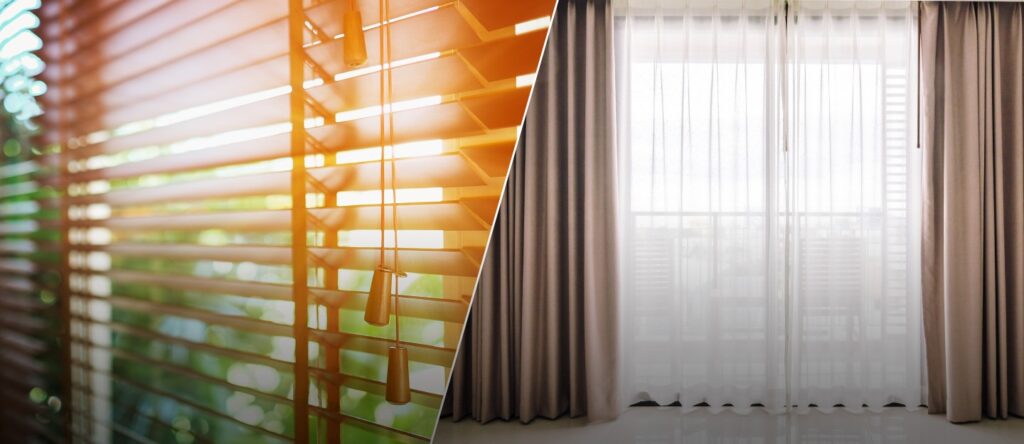
Choosing between window blinds and curtains can feel tricky when you want the right balance of style, comfort, and practicality. Both options bring their own strengths to a room, and the best pick often depends on how you want the space to look and feel. This guide breaks down the differences so you can decide with confidence.
Style and First Impressions
Curtains are known for their soft, warm appearance. They add a gentle and flowing feel to a room, making them perfect for bedrooms or living rooms where you want a cosy atmosphere. Blinds offer a cleaner and more structured look. They work well in modern homes, offices, kitchens, and minimalist interiors where sharp lines and practicality matter.
The choice depends on your preference. If you love texture and movement, curtains stand out. If you prefer a sleek and tidy finish, blinds make the space look more balanced.
Light Control and Privacy
Light control is one of the biggest deciding factors. Curtains block or filter light depending on the fabric, but they do not offer precise adjustment. With blinds, you have much more control. You can tilt the slats, lift them halfway, or lower them fully based on how much light you want.
This makes blinds useful in rooms where daylight changes the mood or impacts work, such as home offices, kitchens, and lounges. Curtains are better for soft and diffused light, especially in bedrooms where a calm environment helps you unwind.
Energy Efficiency and Temperature
Curtains made from thick fabric provide natural insulation. They help keep warm air inside during winter and reduce heat during summer. Blinds can also support energy efficiency depending on the type. Honeycomb blinds, for example, trap air in their pockets to create insulation. Roller and roman blinds create a tight fit that reduces heat loss.
If energy saving matters to you, consider the room layout and window direction. A combination of blinds and curtains is also possible for maximum insulation and style.
Cleaning and Maintenance
Curtains require occasional washing. Depending on fabric type, this can mean a machine wash, dry cleaning, or a gentle hand wash. Blinds are easier to maintain. A simple wipe with a damp cloth or a quick dusting usually keeps them clean.
People who prefer low maintenance often choose blinds for kitchens, bathrooms, and busy areas. Curtains work better in rooms where cleanliness is easier to manage, and fabrics will not collect moisture.
Space and Room Size
Blinds save space. They sit inside or just above the window frame and keep the room feeling open. Curtains take up more room because they extend outward and downward.
In small bedrooms, narrow hallways, or compact flats, blinds help avoid a crowded look. Curtains can add a sense of height or width, especially when fitted above the frame to create the illusion of larger windows.
Cost and Long Term Value
Curtains can range from low cost to very high, depending on material and style. Blinds also vary in price, but offer more durable and long lasting value since they do not fade or wear out as quickly as some fabrics. The right blind can last many years with minimal upkeep.
When looking for expert guidance and custom fitting, Expression Blinds is a trusted choice for homeowners who want well designed window treatments that match their space and budget.
Where Each Option Works Best
Here is a simple comparison to help you decide:
Best for Curtains
- Bedrooms
- Living rooms
- Spaces needing warmth
- Traditional interiors
Best for Blinds
- Kitchens
- Bathrooms
- Home offices
- Modern and minimal interiors
Best for a Combination
- Large living rooms
- Bay windows
- Conservatories
- Bedrooms needing extra light control
Final Thoughts
Both blinds and curtains have unique advantages. Curtains add a soft and elegant feel while blinds provide control, structure, and simplicity. The right choice depends on your room style, daily routine, and the level of comfort you want. Selecting the best option can transform a room and bring out the exact mood you are hoping for.