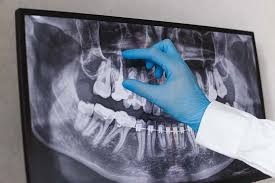
Dental pain often causes anxiety, but advances in endodontics have transformed treatment experiences for patients in Singapore. Modern techniques make procedures like root canal therapy less painful, faster, and more predictable than ever before.
Endodontics focuses on saving natural teeth by treating infections and inflammation inside the tooth, particularly in the dental pulp and root canals. With current technology, patients experience minimal discomfort, faster recovery, and long-term tooth preservation.
What Is Endodontics?
Endodontics is the dental specialty that deals with the inner structures of the tooth, including the pulp, nerves, and root canals. When the pulp becomes inflamed or infected due to decay, trauma, or repeated dental procedures, endodontic treatment is required to save the tooth.
The most common endodontic procedure is the root canal treatment, which removes the infected tissue, disinfects the canals, and seals the tooth. Modern approaches focus on precision, efficiency, and comfort, ensuring patients can maintain natural teeth rather than opting for extraction.
Why Modern Endodontics Is Different
Advancements in technology and technique have redefined patient experiences with root canal therapy:
- Digital Imaging: High-resolution X-rays and 3D scans allow dentists to visualize complex root structures and plan precise treatments.
- Rotary Instruments: Electric files clean canals more efficiently and reduce procedure time.
- Enhanced Irrigation Systems: Modern disinfectants ensure thorough cleaning while minimizing tissue irritation.
- Comfort and Anesthesia: Sedation options and improved anesthesia techniques reduce anxiety and procedural discomfort.
These innovations have contributed to higher success rates, faster healing, and a much more comfortable patient experience than traditional methods.
Signs You Might Need Endodontic Treatment
Recognizing early symptoms allows patients to seek timely care. Common signs include:
- Persistent or throbbing tooth pain, especially when chewing
- Prolonged sensitivity to hot or cold foods and drinks
- Swollen or tender gums near a specific tooth
- Tooth discoloration, particularly darkening after trauma
- Pain or discomfort when biting or applying pressure
Prompt consultation with a dentist in Singapore ensures that infection is addressed before complications arise.
Step-by-Step Modern Endodontic Procedure
1. Diagnosis and Imaging
The dentist evaluates the tooth using digital X-rays or 3D imaging to determine the extent of infection and map the root canal system.
2. Cleaning the Canals
Using precise rotary instruments and advanced irrigation solutions, the dentist removes infected pulp tissue and disinfects the canals thoroughly.
3. Sealing and Restoration
The cleaned canals are sealed with biocompatible material to prevent reinfection. Most teeth are then restored with a crown to ensure strength, durability, and normal function.
Advantages of Modern Endodontics
- Minimal Pain: Anesthesia and gentle techniques reduce procedural discomfort.
- Faster Recovery: Smaller incisions and precise cleaning shorten healing time.
- Tooth Preservation: Retaining natural teeth maintains bite alignment, chewing efficiency, and jawbone health.
Compared to tooth extraction, modern endodontics provides a long-term solution that preserves oral health and function.
Recovery and Aftercare
Most patients experience mild discomfort after treatment, usually manageable with over-the-counter pain medication. Recovery is generally faster than traditional procedures, allowing normal activities to resume within a day.
Maintaining good oral hygiene, attending follow-up appointments, and avoiding hard foods on the treated tooth until fully restored promotes optimal healing.
Endodontics vs Extraction: Why Preservation Matters
While extraction eliminates the tooth and resolves immediate infection, it can have long-term consequences:
- Shifting of adjacent teeth
- Loss of jawbone density
- Need for replacement options like implants or bridges
Modern endodontics provides a conservative alternative that preserves the tooth and minimizes future dental interventions.
Choosing the Right Dental Clinic in Singapore
Selecting a clinic with experience in modern endodontic techniques is essential for successful outcomes. Look for practices with:
- Advanced diagnostic equipment
- Experienced dentists specializing in endodontics
- Clear communication about procedure and costs
Clinics such as Nuffield Dental emphasize evidence-based care, patient comfort, and conservative treatment planning, helping patients achieve successful and lasting results.
Final Thoughts
Modern endodontics has transformed dental care in Singapore by making root canal treatments less painful, faster, and highly effective. Recognizing the signs that indicate the need for treatment and seeking timely care allows patients to preserve their natural teeth, avoid extractions, and maintain long-term oral health.
Consulting a trusted clinic like Nuffield Dental ensures professional care, advanced technology, and an experience that prioritizes comfort and long-term dental preservation.
FAQs: Modern Endodontics
1. Is modern root canal treatment painful?
With anesthesia and modern techniques, most patients report minimal discomfort during and after the procedure.
2. How long does recovery take after endodontic treatment?
Most patients recover within a few days, though full restoration may take a couple of weeks if a crown is required.
3. Can every tooth be treated with endodontics?
Most teeth can be saved, but severely fractured or decayed teeth may require extraction.
4. What is the success rate of modern endodontic treatment?
Success rates exceed 90% when performed correctly and followed by proper restoration.
5. How do I know if I need endodontic treatment?
Persistent tooth pain, sensitivity, gum swelling, discoloration, or pain when biting are key warning signs.