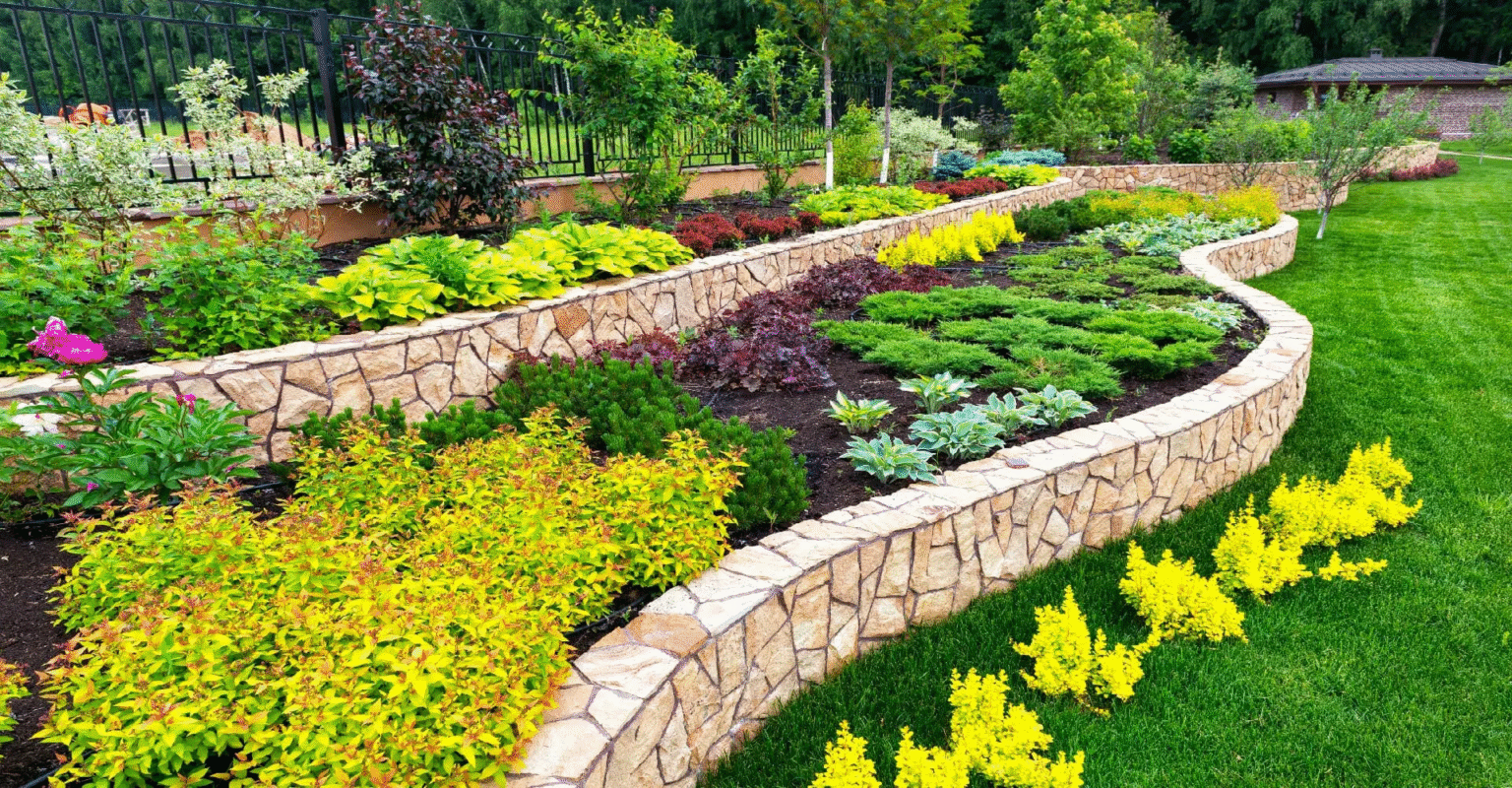
For many of us, the dream of a lush, vibrant garden often clashes with the reality of our schedules. We want the sanctuary, but we dread the servitude. The hours spent weeding, watering, and mowing can quickly turn a relaxing weekend into a second job.
However, the “smart home” revolution has finally stepped out the back door. By combining strategic planting choices with the latest automation technology, it is now possible to cultivate a stunning landscape that largely takes care of itself.
If you are looking to reclaim your Saturdays without sacrificing your curb appeal, here is the ultimate low-maintenance routine for the modern homeowner.
1. Automate the Cut: The “Hands-Off” Lawn
The single most time-consuming task in any garden is the lawn. It demands weekly attention for months on end. If you skip a week, you pay for it with double the effort the next time.
This is where the transition to a robot mower changes the game. Unlike a traditional routine where you batch-process the work (cutting long grass all at once), a robot works continuously in the background.
- The Mulch Advantage: Because the robot cuts frequently, it produces micro-clippings that vanish into the soil. This acts as a natural fertilizer, meaning you spend less time spreading chemical feeds.
- Weather Intelligence: A high-quality smart lawn mower links to local weather forecasts. It knows not to mow during a heavy downpour, preventing mud tracks and saving you from having to rescue the machine.
By installing a robot, you don’t just save the hour of mowing; you eliminate the clipping disposal, the raking, and the scheduling logistics.
2. Smart Irrigation: Watering with Precision
Over-watering and under-watering are the two biggest killers of garden plants. Standing with a hose for 20 minutes every evening is not only tedious but often inefficient, as much of that water evaporates before reaching the roots.
Modern smart irrigation controllers have solved this. These devices replace your standard timer and connect to your Wi-Fi.
- Predictive Watering: They adjust schedules based on real-time weather data. If rain is forecast for Tuesday, the system cancels the Monday evening water cycle, saving you money.
- Zone Control: You can set different schedules for your vegetable patch (high water) and your hedging (low water), ensuring nothing is drowned or parched.
3. The “Right Plant, Right Place” Philosophy
Technology can handle the maintenance, but design dictates how much maintenance is needed in the first place. The cornerstone of a low-effort garden is selecting “drought-tolerant” or “xeriscape” plants that thrive on neglect.
Instead of delicate annuals that need constant deadheading and daily water, consider these robust alternatives:
- Lavender and Rosemary: These Mediterranean herbs love the sun, require very little water once established, and smell incredible.
- Sedums (Stonecrops): These succulents store water in their leaves and can survive weeks of drought without flinching.
- Coneflowers (Echinacea): Native to prairies, these tough perennials return every year with vibrant color and require almost no assistance.
4. Intelligence Over Hard Labor
The difference between a standard automated garden and a truly “smart” one is adaptability.
An entry-level machine might bounce around randomly. However, an advanced ai lawn mower uses vision or mapping technology to understand your garden’s layout. It can navigate narrow corridors between flower beds without getting stuck, and it can identify temporary obstacles—like a forgotten garden hose or a child’s toy—and drive around them.
This intelligence means you don’t have to “prep” the garden before the mower runs. You can trust the device to coexist with your family’s daily life, rather than needing to clear the lawn like a runway every time you want the grass cut.
5. Mulch Everything
Finally, the simplest low-tech hack for a low-maintenance garden is mulch. Covering your soil with a layer of bark chippings, gravel, or cocoa shells suppresses weed growth by blocking sunlight.
This significantly reduces the need for hand-weeding. Furthermore, mulch retains soil moisture, meaning your smart irrigation system has to run less often. It is a one-time annual job that saves dozens of hours of labor throughout the season.
Conclusion
The low-maintenance garden is no longer about pouring concrete over the grass. It is about working smarter. By combining resilient plant choices with a robot lawn mower and intelligent watering systems, you create a self-regulating ecosystem. The result is a garden that is always ready for a barbecue, without you ever having to break a sweat.